Smarter Hospitality Operations: The Rise of Real-Time Workforce Management
Discover how real-time workforce management solutions are transforming the hospitality sector — improving staff scheduling, reducing labor costs, and boosting employee satisfaction through automation, flexibility, and instant communication.

Hospitality sectors are turning to real-time workforce solutions to stay agile amid constant changes in managing employees, effective rostering and management needs. Traditional scheduling systems may have worked in the past, but today’s fast-paced hospitality world demands precision, flexibility and instant communication. By embracing workforce management for hospitality sector tools, companies can reduce labor costs, enhance employee satisfaction and improve team performance — all through real-time insight and automation.
Table of Contents
-
What Is Real-Time Workforce Management?
-
The Core Concept of Workforce Management
-
Technology Driving Workforce Management SAAS Software Performance
-
Importance of Workforce Management for the Hospitality Sector
-
Strategic and Economic Benefits
-
How Real-Time Workforce Management Functions
-
Key Components of Effective Hospitality Workforce Solutions
-
Real-World Benefits for Global Hotels–
-
Quick Summary
-
Frequently Asked Questions
What Is Real-Time Workforce Management?
Real-time workforce management represents a modern approach to staffing that uses data analytics and automation to match human resources with real-world demand. In the hospitality sector, where work volumes can change by the hour, this dynamic model ensures that operations stay smooth, efficient, and cost-effective.
Unlike manual scheduling, workforce management software performance systems continuously track staffing needs, employee availability, and operational performance — helping hotel managers respond instantly to unexpected changes.
The Core Concept of Workforce Management
At its heart, workforce management is about making data-driven decisions for scheduling, attendance, payroll, and employee engagement. Instead of static rosters, companies use predictive tools that anticipate work flow, seasonal trends, and employee performance metrics.
Research in hospitality operations shows that effective management systems rely on:
-
Accurate demand forecasting
-
Real-time staffing adjustments
-
Transparent communication channels
-
Continuous monitoring of workforce metrics
This integrated, intelligent process ensures a balanced operation where guests are served efficiently without overworking staff.
Technology Driving Workforce Management SAAS Software Performance
Modern workforce solutions rely on powerful SAAS (Software as a Service) systems to deliver performance, reliability, and scalability. These cloud-based tools integrate with company operations, HR systems, and time-tracking platforms to create a unified experience.
Key technological drivers include:
|
Feature |
Description |
|
Predictive Scheduling |
Forecasts guest demand using historical data and booking patterns |
|
Automatic Shift Generation |
This system ensures optimal coverage, reduces manual errors, and improves efficiency across departments |
|
Real-Time Alerts |
Sends instant notifications about shift changes, employee absences, or urgent updates |
|
Mobile Accessibility |
Allows managers and employees to manage shifts and requests from any device |
|
Performance Analytics |
Tracks labor efficiency and helps managers optimize staff productivity |
|
Cloud-Based Security |
Protects sensitive employee and business data with full encryption and GDPR compliance |
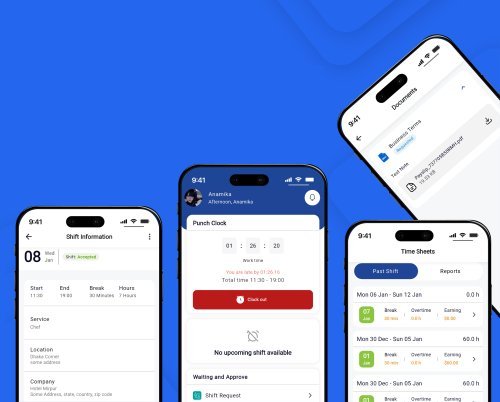
One of the leading platforms, Qhub360, delivers outstanding AI driven workforce management solutions, combining automation, analytics, and ease of use to empower hospitality teams globally.
Importance of Workforce Management for the Hospitality Sector
The workforce management for the hospitality sector has evolved from manual spreadsheets to intelligent automation. Hospitality based companies must adapt quickly to changes in guest occupancy, events, or unexpected staff absences — and real-time management systems make that possible.
By using a centralized cloud solution, managers gain instant visibility over employee schedules, attendance, and performance metrics. This ensures consistent service delivery while minimizing burnout and overtime costs.
Strategic and Economic Benefits
Workforce management isn’t just an operational tool; it’s a strategic investment. Advanced analytics reveal staffing inefficiencies, helping companies make smarter labor decisions.
|
Benefit |
Explanation |
|
Time Effective |
Time reduces with less effort from management. |
|
Improved Efficiency |
Automates manual scheduling and payroll processes |
|
Employee Retention |
Promotes fairness, flexibility, and transparency in scheduling |
|
Enhanced Guest Experience |
Ensures optimal service coverage at all times |
|
Faster Decision-Making |
Real-time data supports quick, informed managerial action |
Companies that adopt workforce management software performance tools report up to 30% improvement in scheduling efficiency and substantial reductions in operational overhead. Also appreciate the experience of AI.
How Real-Time Workforce Management Functions
Effective real-time workforce systems use intelligent algorithms and live data integration. These platforms analyze reservations, occupancy trends, and event schedules to automatically forecast staffing needs.
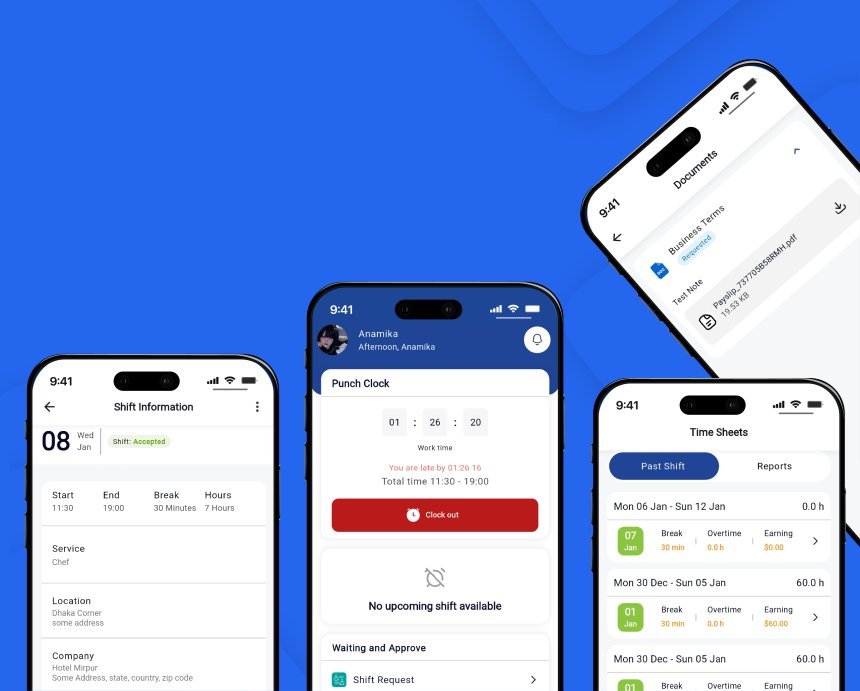
Qhub360, with its intuitive design and real-time updates, exemplifies how advanced platforms simplify operations. Its features include:
-
Automated shift scheduling and payroll tracking
-
Group messaging and instant notifications
-
Attendance and location tracking
-
Cloud-based data access from any device
-
Customizable reports and performance insights
This seamless integration enables hotels to maintain high-quality service while minimizing administrative complexity.
Key Components of Effective Hospitality Workforce Solutions
To maximize workforce management for hospitality sector performance, hotels must integrate three key pillars:
-
Technology Infrastructure: Cloud-based systems, predictive analytics, and mobile integration.
-
Human-Centered Design: Flexible scheduling, transparency, and fair workload distribution.
-
Strategic Alignment: Synchronizing staffing plans with long-term business objectives.
Qhub360’s all-in-one solution perfectly aligns these components, ensuring that hotels of all sizes can streamline employee management while improving performance.
Real-World Benefits for Global Hotels
Hotels worldwide are leveraging advanced SAAS platforms to improve scheduling accuracy, reduce overtime, and boost team morale. For instance, city-based hotels with fluctuating guest patterns benefit from predictive scheduling, while resort operations rely on mobile tracking to coordinate large teams.
By integrating workforce management software performance tools like Qhub360, businesses experience:
-
Seamless coordination across departments
-
Faster response to last-minute booking surges
-
Better employee satisfaction and retention
-
Stronger financial performance through reduced inefficiencies
Quick Summary
|
Takeaway |
Explanation |
|
Implement real-time workforce management |
Adapts staffing levels instantly to meet changing guest needs. |
|
Use advanced SAAS software |
Boosts operational efficiency with automation and analytics. |
|
Focus on employee satisfaction |
Enhances morale and reduces turnover. |
|
Align staffing with demand |
Prevents overstaffing and optimizes labor costs. |
|
Choose an intuitive platform like Qhub360 |
Simplifies workforce processes with real-time, cloud-based tools. |
Frequently Asked Questions
What is workforce management for the hospitality sector?
It’s a technology-driven approach that uses real-time data and automation to manage staff scheduling, attendance, and performance in hotels and restaurants.
How does SAAS software improve hospitality operations?
SAAS systems centralize workforce data, automate scheduling, and provide predictive analytics for faster, smarter decisions.
How is Qhub360 ideal for hospitality management?
Because it’s intuitive, cloud-based, and packed with real-time features — helping hotels streamline payroll, scheduling, and performance tracking with ease.
What are the main benefits of workforce management software?
Lower labor costs, improved operational flexibility, better employee satisfaction, and enhanced guest experiences.
Can I try Qhub360 before subscribing?
Yes — Qhub360 offers a free 30-day trial so you can experience the platform’s intuitive design, real-time updates, and complete workforce management toolkit.
Share
What's Your Reaction?
 Like
0
Like
0
 Dislike
0
Dislike
0
 Love
0
Love
0
 Funny
0
Funny
0
 Angry
0
Angry
0
 Sad
0
Sad
0
 Wow
1
Wow
1