Living in the Netherlands: Cities, Costs & Lifestyle Guide 2026
Explore life in the Netherlands: top cities, living costs, housing, lifestyle, jobs, and expat essentials. A full guide to Amsterdam, Rotterdam & more.

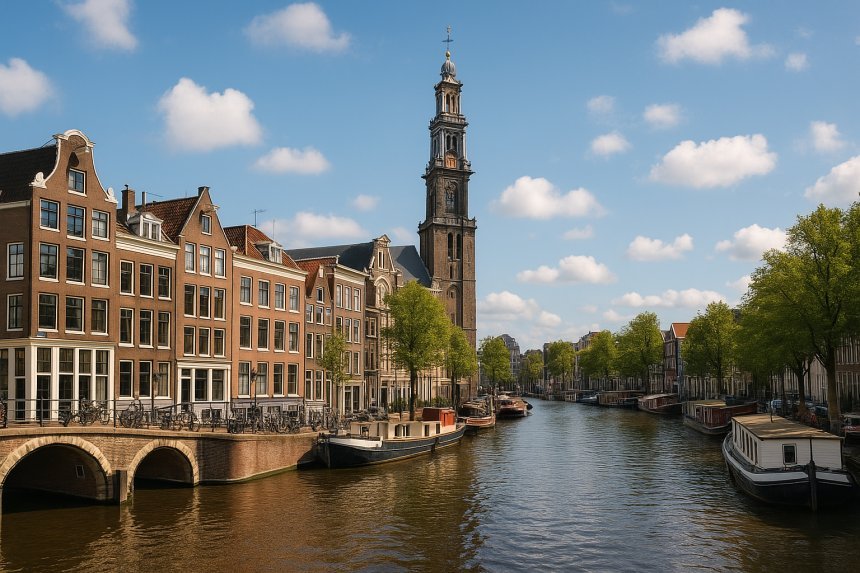
The Netherlands is one of Europe’s most attractive places to live—known for its open-minded culture, efficient public transport, world-class education, innovative job market, and a lifestyle centered around balance, safety, and community. Whether you’re a student, working professional, or an expat searching for a new home, each Dutch city offers a different flavor of life. Some are busy and international, others calm and picturesque, but all carry the same foundation of Dutch values: practicality, freedom, and high quality of life.
This guide explores what it’s like to live in the Netherlands, including popular cities, living expenses, housing, lifestyle, transportation, healthcare, education, and essential tips—everything your readers need to make an informed move.
1. Why People Choose the Netherlands
The Netherlands consistently ranks among the top countries in the world for quality of life. Here’s why:
✔ Strong economy
Home to tech hubs, global headquarters (Philips, ASML, Shell), and thousands of startups. The job market is especially strong in IT, logistics, finance, hospitality, and engineering.
✔ High English proficiency
The Dutch are among the best non-native English speakers in the world, making it extremely easy for newcomers.
✔ Excellent public services
Transport is reliable, healthcare is high quality, and education is globally recognized.
✔ Work-life balance
Full-time workers typically enjoy flexible hours, generous vacation days, and a culture that values personal time.
✔ Safe & clean environment
Cycling paths, green parks, organized urban planning, and very low crime rates.
2. Popular Cities to Live in the Netherlands
Each Dutch city has its own culture, lifestyle, and cost of living. Here’s an overview of the most popular choices among expats, students, and professionals.
Amsterdam – International, Lively & Culturally Rich
Best for: Expats, professionals, creatives, digital nomads
Lifestyle: Fast-paced, multicultural, vibrant nightlife, historic charm
Average rent: €1,400–€1,900 (1-bedroom)
Monthly costs: €1,900–€2,800 per person
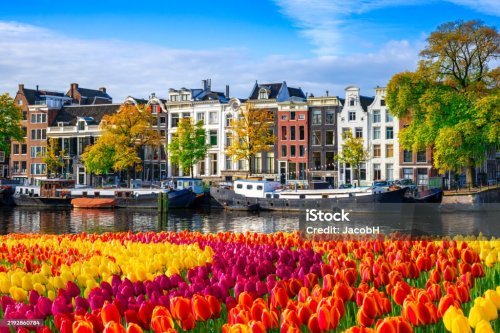
Amsterdam offers the perfect blend of history and modernity. You’ll see 17th-century canals, world-famous museums, and a city full of tech companies and international organizations.
Pros
-
English is widely spoken
-
High salaries
-
Large expat community
-
Endless entertainment and cultural events
Cons
-
Most expensive city in the Netherlands
-
Housing shortage
-
Crowded in tourist seasons
Rotterdam – Modern, Urban & Affordable
Best for: Students, young professionals, architects, creatives
Lifestyle: Urban, bold architecture, multicultural, port city vibes
Average rent: €1,100–€1,500 (1-bedroom)
Monthly costs: €1,600–€2,300 per person
Rotterdam is the opposite of Amsterdam in style: futuristic buildings, skyscrapers, and one of the largest ports in the world. It's known for entrepreneurship, art, nightlife, and affordability compared to Amsterdam.
Why choose Rotterdam
-
Cheaper rent than Amsterdam
-
Great public transport
-
Major business and tech hub
-
Fantastic food culture
The Hague (Den Haag) – Peaceful, International & Coastal
Best for: Families, diplomats, NGO workers
Lifestyle: Calm, elegant, international community, beach nearby
Average rent: €1,200–€1,750 (1-bedroom)
Monthly costs: €1,800–€2,500 per person
The Hague is home to the Dutch government, embassies, international courts, and beautiful beaches at Scheveningen. It’s quieter but very international.
Highlights
-
Excellent for families
-
International schools
-
Beautiful parks and clean neighborhoods
-
Many government & NGO job opportunities
Utrecht – Historic, Friendly & Central
Best for: Students, commuters, young families
Lifestyle: Warm community, canals, café culture
Average rent: €1,200–€1,600 (1-bedroom)
Monthly costs: €1,700–€2,400 per person
Utrecht feels like a calmer, smaller Amsterdam. It has a lively student population, a stunning old town, and excellent access to all parts of the Netherlands.
What makes Utrecht unique
-
Located in the heart of the country
-
Safe and cozy environment
-
Big university city
-
Great for biking and canal-side living
Eindhoven – Tech Hub & Future-Oriented
Best for: Engineers, IT professionals, students
Lifestyle: Technology-focused, innovative, practical
Average rent: €1,000–€1,450 (1-bedroom)
Monthly costs: €1,500–€2,200 per person
Eindhoven is known as the "Silicon Valley of the Netherlands" due to companies like ASML, Philips, and thriving tech startups.
Reasons to live here
-
High job demand for tech industry
-
Affordable lifestyle
-
Modern city layout
-
Excellent international schools
Groningen – Student-Friendly & Affordable
Best for: Students, young professionals, researchers
Lifestyle: Energetic, youthful, cycling-friendly
Average rent: €850–€1,300 (1-bedroom)
Monthly costs: €1,300–€2,000 per person
Groningen is a northern gem—a lively academic city where cycling dominates everything.
Why people choose Groningen
-
Cheaper compared to major cities
-
Safe and vibrant
-
Strong international community
-
Great nightlife for students
Haarlem – Family-Friendly & Close to Amsterdam
Best for: Families, commuters, quiet-living professionals
Lifestyle: Peaceful, historic, upscale
Average rent: €1,300–€1,800 (1-bedroom)
Monthly costs: €1,900–€2,600 per person
Just 15 minutes from Amsterdam, Haarlem offers charming Dutch streets, boutique shops, parks, and proximity to Zandvoort beach.
Leiden – Academic, Historic & Affordable
Best for: Students, researchers, families
Lifestyle: University-focused, laid back, scenic
Average rent: €1,000–€1,400 (1-bedroom)
Leiden is home to the country’s oldest university and a beautiful historic center.
3. Cost of Living in the Netherlands
Expenses vary by city, but here’s a general breakdown:
Average Monthly Costs
| Category | Low Range | High Range |
|---|---|---|
| Rent (1-bedroom) | €1,000 | €1,800 |
| Utilities | €150 | €250 |
| Groceries | €250 | €400 |
| Insurance (health) | €135 | €160 |
| Transport | €70 | €120 |
| Eating out | €200 | €350 |
| Total | €1,800 | €3,100 |
Housing
The biggest challenge newcomers face is finding housing. Tips:
-
Start early
-
Use platforms like Pararius, Funda, Kamernet
-
Be prepared to submit income proof
-
Expect competition in Amsterdam, Utrecht, and The Hague
4. Dutch Lifestyle: What to Expect
Biking Culture
The bicycle is a way of life. It’s cheaper, healthier, and faster.
Direct Communication
The Dutch are very straightforward. They value honesty and efficiency.
Work-Life Balance
Most companies encourage:
-
Remote work
-
Flexible schedules
-
Generous vacation days
-
No after-hours messaging
Festivals & Culture
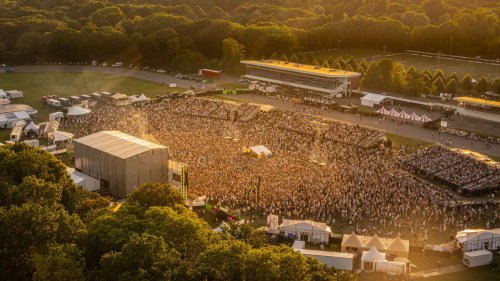
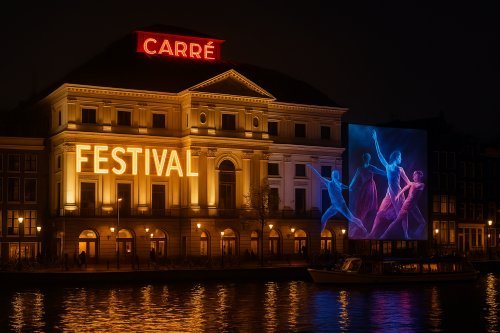
From King’s Day to Amsterdam Light Festival, Dutch cities host year-round events.
Food Culture
Expect:
-
Lots of bread
-
Cheese
-
Indonesian and Surinamese influences
-
Street snacks (stroopwafels, bitterballen, fries with mayo)
Multicultural Society
Over 190 nationalities live in the Netherlands, especially in major cities.
5. Transportation
The Netherlands has one of the best public transport networks in Europe.
OV-Chipkaart
One card for:
-
Trains (NS)
-
Buses
-
Trams
-
Metro
Monthly transport passes are also available.
Cycling
Dedicated bike lanes make cycling the fastest way to move around.
Trains
You can travel between major cities in less than 1 hour.
6. Healthcare in the Netherlands
Healthcare is high quality but requires:
-
Compulsory basic insurance (from €135/month)
-
Deductible (eigen risico) of €385/year
You must register with a general practitioner (huisarts) for referrals.
7. Education System
The Netherlands has:
-
Top global universities (UvA, TU Delft, Leiden, Erasmus)
-
International schools
-
Affordable study options
-
Very large student populations
8. Finding Work in the Netherlands
Major industries:
-
IT & tech
-
Logistics
-
Finance & business
-
Engineering
-
Hospitality
-
Creative & media
Work permits depend on nationality. EU/EEA citizens do not need any permits.
9. Pros and Cons of Living in the Netherlands
👍 Pros
-
Safe and welcoming
-
Great career opportunities
-
Easy travel across Europe
-
Strong public systems
-
English-friendly
-
Good salaries
👎 Cons
-
Expensive housing
-
Long rental waiting lists
-
Weather can be rainy
-
Taxes are high (but services are excellent)
10. Final Thoughts
Living in the Netherlands offers an exceptional lifestyle—balanced, safe, open-minded, and full of opportunities. Whether you choose Amsterdam’s energy, Rotterdam’s modernity, Utrecht’s charm, or Groningen’s student-friendly vibe, each city offers a unique experience.
From cycling to café culture, efficient public services, and multicultural communities, the Netherlands is a country where work-life balance truly exists. Although costs can be high, the quality of life, career growth, and everyday comfort make it one of the best places in Europe to call home.
Share
What's Your Reaction?
 Like
0
Like
0
 Dislike
0
Dislike
0
 Love
0
Love
0
 Funny
0
Funny
0
 Angry
0
Angry
0
 Sad
0
Sad
0
 Wow
1
Wow
1