The Future of Hospitality in the Netherlands: Trends Every Hotelier Should Know in 2025
The hospitality landscape in the Netherlands is transforming rapidly in 2025. Sustainability, automation, personalization, and wellness are no longer optional — they define competitive advantage. Dutch hoteliers must adapt to evolving guest expectations, stricter environmental policies, and digital disruption.


Introduction
The future of hospitality in the Netherlands is not just an extension of existing trends — it's a transformation. As we move deeper into 2025, hoteliers in the Netherlands face evolving guest expectations, technological disruption, sustainability imperatives, and regulatory shifts.
Evolving guest expectations, technology disruption, sustainability goals, and new regulations are reshaping every aspect of hotel management — from energy efficiency and pricing to guest personalization and staff training.
This article explores the major 2025 hotel trends in the Netherlands and offers strategic insight so that hotel owners, operators, and hospitality executives can stay ahead.
Why 2025 matters
-
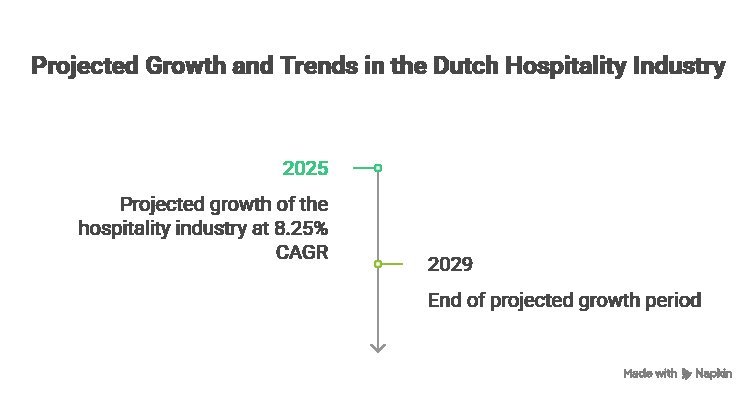
The Dutch hospitality industry is entering a new growth phase. According to Research and Markets, the sector is projected to grow at a compound annual growth rate (CAGR) of over 8.25% through 2029, driven by increasing travel demand, digital transformation, and a renewed focus on sustainability. Research and Markets+1
-
TAt the same time, the hotel market in the Netherlands is in flux. Competition is intensifying, investors are channeling more capital into high-quality properties, and guests are expecting more sustainable, premium, and experience-oriented stays. Hospitality Net+3ReportLinker+3Data Insights Market+3
-
Operators are adapting quickly. Boutique and lifestyle hotels are expanding their presence, while major chains are turning their attention toward secondary cities such as Eindhoven and Arnhem to capture new demand. Mordor Intelligence+1
Hence, the future of hospitality in the Netherlands will be shaped by how well hoteliers navigate shifting guest values, cost pressures, and regulatory forces.
Below are the key trends every Dutch hotelier should know in 2025.
1. Sustainability as a baseline, not a differentiator
From green marketing to green operations
In 2025, sustainability is no longer a luxury — it’s the baseline of Dutch hospitality. Guests now expect hotels to be transparent about their energy use, waste management, and carbon footprint. Properties that rely only on “eco-friendly” labels or marketing claims risk being seen as inauthentic. Revinate+3Hospitality Insights+3avendra.com+3
Forward-thinking hoteliers are moving beyond token gestures to embed sustainability into the core of their operations — from circular building design and renewable energy systems to on-site water recycling, waste reduction, and full supply chain traceability.
Energy intelligence and predictive systems
Artificial intelligence and predictive analytics are becoming critical tools in energy management. Smart systems can schedule energy-intensive operations during off-peak tariff periods or automatically adjust HVAC settings based on room occupancy and weather forecasts.
Recent studies even show that AI-driven models can forecast hotel electricity consumption with accuracy levels near 2.5% MAPE, helping properties optimize costs and reduce emissions. arXiv
EcoGrade & data-driven sustainability metrics
Innovative systems (e.g. “EcoGrade”) are emerging that provide address-specific sustainability metrics—so hotels aren’t judged by blanket national averages, but by their actual local footprint. arXiv This allows differentiating properties based on real sustainability performance—important for eco-conscious guests, corporate clients, and regulatory reporting.
Local sourcing, farm-to-table, and regenerative practices
A rising trend is farmers-in-residence or on-site gardens, allowing hotels to grow their own herbs, vegetables, or even small livestock. This aligns with guest interest in provenance, local identity, and sustainability. Wallpaper* In the Netherlands, where agriculture is deeply embedded, collaborating with local farmers or urban farms brings authenticity and reduces food miles.
Regulatory headwinds
Hoteliers must also contend with policy shifts. In the Netherlands, a proposed VAT increase from 9 % to 21 % for hotel stays (possibly from January 2026) is creating uncertainty and forcing pricing decisions ahead of time.cbre.nl+1
Moreover, Amsterdam has banned new hotel development unless the new property is more sustainable and does not increase the total number of sleeping places. Reuters Hoteliers in other cities should watch for similar constraints as authorities grapple with overtourism and sustainability goals.
2. Hyper-personalization and predictive guest experiences
Anticipating Needs Before They’re Spoken
In 2025, personalization in hospitality is evolving from reactive service to predictive intelligence. Guests no longer want generic interactions—they expect hotels to anticipate their needs even before they ask.
AI-powered systems now analyze past stays, preferences, online behavior, and in-room signals (such as temperature changes or minibar use) to tailor every aspect of the guest journey. From suggesting spa treatments or curated local tours to timing upsell offers perfectly, hotels are using data to deliver hyper-personalized experiences that feel effortless.
(Sources: Journey+2 Revinate+2)
Predictive Offers and Dynamic Bundles
Through predictive analytics, hotels can forecast which guests are likely to request a late check-out, dinner reservation, or room upgrade. These insights allow hoteliers to design dynamic bundles—for example, room + wellness + dinner—or offer micro-upsells that maximize ancillary revenue while improving satisfaction.
(Sources: Hospitality Insights, Revinate, Xotel)
Real-Time Guest Feedback Loops
Leading hotels are now implementing real-time sentiment analysis across chat tools, voice assistants, and in-room tablets. This allows staff to respond instantly—offering extra pillows, adjusting lighting, or suggesting local experiences during the stay.
By acting on feedback immediately, hotels strengthen guest loyalty and turn first-time visitors into repeat customers.
Privacy, Security, and Data Ethics
With personalization powered by data, trust becomes the new currency of hospitality. Guests expect full transparency about how their information is used, along with compliance with GDPR/AVG privacy regulations.
Hotels must therefore invest in robust cybersecurity frameworks, anonymization tools, and consent management systems to protect guest identities.
(Source: Revinate Data Privacy Insights)
3. Wellness, health, & holistic guest experience
Wellness as a Core Pillar
Wellness tourism is emerging as one of the strongest growth drivers in hospitality. Guests today expect more than a small gym—they seek integrated wellness ecosystems that nurture both body and mind.
Hotels are redefining wellness through:
-
💤 Sleep optimization: smart lighting, purified air, and soundproof environments.
-
🔥 Recovery services: infrared saunas, cryotherapy, and compression therapy.
-
🧘 Mental wellness: meditation spaces, sound baths, and guided digital detox programs.
-
🏋️ Fitness personalization: on-demand virtual trainers and wearable integration.
The global wellness economy is forecast to expand rapidly, positioning wellness-focused hotels at the forefront of the hospitality industry.
Source: Xotels – Hospitality Trends 2025, Core Health & Fitness
Bleisure, Workation & Hybrid Stays
The line between business and leisure continues to blur. Many professionals now extend work trips for personal exploration—fueling the rise of “bleisure” and “workation” travel.
Hotels that want to attract this segment must provide:
-
Flexible coworking lounges and networking areas
-
Private meeting pods and event spaces
-
Reliable high-speed Wi-Fi
-
“Office-in-room” setups
-
Dynamic long-stay packages
By catering to hybrid travelers, hotels can drive higher occupancy while meeting the needs of remote workers seeking balance and productivity.
Source: NetSuite Hospitality Insight
Sleep as a Service
In 2025 and beyond, sleep is becoming a premium amenity. Hotels are introducing “sleep-centric” rooms featuring smart mattresses, circadian lighting, soundproofing, and white-noise technologies. Some even offer sleep wellness packages that combine nutrition, aromatherapy, and tech-assisted relaxation.
The concept of a “sleep upgrade”—where guests pay extra for scientifically optimized rest—may soon become a profitable upsell across luxury and wellness hotels.
Strategic Wellness Partnerships
Forward-thinking hotels are forming partnerships with leading wellness brands—spas, biohacking studios, and meditation platforms—to enrich guest experiences without relying solely on in-house facilities.
These collaborations allow hotels to offer holistic programs such as recovery therapy, fitness diagnostics, or mindfulness retreats—all under one roof. Beyond boosting brand prestige, such alliances open new revenue streams through memberships, day passes, and co-branded wellness packages.
4. Digital transformation, automation & smart infrastructure
Operational Automation & IoT
The hospitality industry is entering a new era of intelligent automation. From back-office management to guest-facing services, smart systems are reshaping how hotels operate.
Expect to see:
-
🤖 Robotic housekeeping assistants and autonomous delivery carts.
-
🗣️ Voice-enabled room controls for lighting, blinds, and temperature.
-
🌐 IoT-connected ecosystems that automatically adjust comfort settings based on occupancy and guest preferences.
By integrating Internet of Things (IoT) technology, hotels can deliver seamless, energy-efficient, and personalized experiences—enhancing both sustainability and guest satisfaction.
Self-Service & Frictionless Check-In
Contactless technology is no longer a novelty—it’s the new hospitality baseline. In 2025, guests will expect:
-
Contactless check-in/out
-
Mobile key access
-
Biometric authentication
-
Smart kiosks and digital concierge chatbots
Automating these touchpoints not only streamlines arrivals and departures but also allows staff to focus on high-value, human interactions that elevate guest satisfaction.
Source: Revinate – Hotel Guest Experience Trends
Unified Guest Platforms & the “Hotel OS”
Modern hotels are rapidly moving toward centralized operating platforms—a “Hotel OS” that connects all systems, from PMS and CRM to housekeeping, IoT, and analytics.
These integrated ecosystems enable:
-
Real-time data flow across departments
-
Predictive guest insights and behavior analysis
-
Automated workflow orchestration
Supported by AI-driven automation and predictive intelligence, unified platforms improve decision-making, reduce human error, and enhance the end-to-end guest journey.
Collaboration Tools & Workforce Management
Behind the scenes, collaboration and workforce tools are becoming essential to manage modern operations. Platforms like hotelkit streamline internal communication, housekeeping coordination, and maintenance workflows across multiple properties.
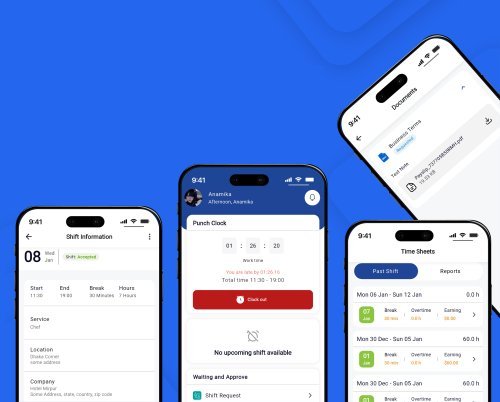
Similarly, cloud-based systems such as Qhub360 empower hotels to manage shifts, payroll, and real-time staff communication—all in one dashboard.
These tools promote transparency, accountability, and consistency, driving productivity while reducing operational friction.
Cybersecurity, Identity & Trust
As hotels digitize, cybersecurity becomes mission-critical. The hospitality sector faces increasing risks from ransomware, phishing, and GDPR/AVG compliance failures.
To safeguard guest data, hotels must adopt:
-
End-to-end encryption
-
Zero-trust network models
-
Continuous security monitoring
-
Comprehensive data governance policies
Proactive digital security is not just IT hygiene—it’s a brand trust factor that influences guest loyalty and business reputation.
Source: Revinate – Data Privacy & Hotel Marketing, EU GDPR Portal
5. Experience-led differentiation & hyperlocal storytelling
Beyond Lodging: Curating Unique Local Experiences
To stand out in today’s competitive hospitality market, hotels must go beyond accommodation and design immersive, locally rooted experiences. Modern travelers crave authenticity—they want to live like a local.
Successful examples include:
-
🏙️ Guided walking or cycling tours of hidden neighborhoods
-
🎨 Artist-in-residence programs and local art collaborations
-
🍷 Culinary tastings featuring Dutch regional ingredients
-
🧑🍳 Hands-on creative workshops and farm-to-table experiences
-
🎭 Cultural immersions and seasonal festivals
These hyperlocal touchpoints transform a hotel stay into a story worth sharing and amplify guest satisfaction through genuine community connection.
Source: Journey Digital Hospitality, Avendra Hospitality Procurement
The “Instant Brand Story”
In a world of shrinking attention spans, hotels must communicate their brand essence instantly. Within seconds of visiting a website or stepping into the lobby, guests should feel the story.
That story is told through:
-
Strong visual branding and design coherence
-
Social media micro-moments and storytelling reels
-
Curated guest interactions and on-property signage
-
Sensory cues—lighting, scent, music—that reinforce the brand’s personality
Every element contributes to what Revinate calls the “instant brand story”—a narrative that guests recognize and emotionally connect with.
Adaptive Spaces & Multifunctionality
Hotel design is becoming increasingly modular and flexible. Spaces are no longer fixed; they adapt to changing guest needs throughout the day:
-
Lobbies doubling as coworking lounges by morning
-
Bars transforming into movie or event rooms by evening
-
Pop-up retail areas or community art exhibitions on weekends
This adaptive design philosophy increases utility, revenue, and engagement—turning hotels into dynamic social ecosystems
Bleisure, Microstays & Day-Use
Flexible travel patterns are fueling new stay models. Microstays—bookings of just a few hours—are growing rapidly across Europe, particularly among business travelers and transit guests seeking short-term rest or workspace.
By offering day-use rooms, meeting pods, or nap suites, hotels can monetize underutilized inventory and attract digital nomads and hybrid workers. Platforms like Wikipedia and Xotels highlight this as a key European hospitality trend for 2025.
Cultural Integration in Design & Menus
Modern hotels are weaving local culture directly into their DNA—from architecture and materials to food and uniforms.
For Dutch hotels, that might mean:
-
Celebrating Dutch design principles—minimalism, light, and craftsmanship.
-
Showcasing local artists or muralists in common spaces.
-
Featuring regional ingredients such as Zeeland mussels or Limburg cheeses.
-
Incorporating Dutch heritage storytelling into menus and decor.
This deep cultural integration transforms hotels into living museums of place and tradition, fostering emotional attachment and repeat visits.
Source: Avendra Hospitality.
6. Revenue diversification & new business models
Beyond “Heads in Beds”
The traditional approach of focusing solely on room occupancy is outdated. Forward-thinking hoteliers are now embracing ancillary revenue streams that extend far beyond lodging.
Key income drivers include:
-
🍽️ Food & Beverage concepts such as signature restaurants and local partnerships
-
🎉 Events and micro-conferences that attract local and corporate audiences
-
🧖 Wellness and spa experiences that enhance guest well-being
-
🛍️ Retail and pop-up collaborations with lifestyle and design brands
-
💼 Co-working spaces tailored for digital nomads and remote professionals
-
🎟️ Memberships and curated local experiences
A hotel with a strong F&B identity or vibrant community calendar captures greater guest spend and drives brand loyalty.
Subscription, Membership & Loyalty Programs
A new generation of subscription-based hospitality is emerging. Guests may soon pay monthly for exclusive stays, flexible benefits, or private “members-only” access.
These models create predictable recurring revenue and help smooth occupancy fluctuations through:
-
Tiered loyalty memberships with rolling perks
-
Club-style communities built around shared values
-
Credit-based booking systems that offer flexible stay options
For hotels, subscriptions turn one-time visitors into repeat advocates, building long-term brand equity and stability.
Hybrid Hospitality & Co-Living
The line between hotels, serviced apartments, and co-living spaces is blurring. Guests increasingly seek flexibility, social connection, and home-like amenities—especially in cities like Amsterdam, Rotterdam, and Utrecht.
In the Netherlands, serviced apartments are among the fastest-growing hospitality segments. Hybrid models are emerging with:
-
Extended-stay amenities such as kitchenettes and workspaces
-
Shared community lounges and coworking zones
-
Flexible long-term leases for business or relocation guests
This evolution toward hybrid hospitality reflects changing traveler lifestyles and urban living patterns.
Brand Collaborations & Pop-Ups
Hotels are transforming into experiential marketplaces, partnering with brands across fashion, technology, art, and wellness.
By hosting pop-up shops, artist residencies, and brand activations, hotels can generate incremental revenue, attract media attention, and strengthen their cultural footprint.
Such collaborations not only diversify income but also enhance the property’s visibility and guest engagement.
The Event & Micro-Conference Economy
With remote work and hybrid corporate models becoming the norm, demand for small-scale events and retreats is rising.
Companies are booking hotels for “meet-and-stay” experiences that blend work, wellness, and leisure. To capture this market, hotels must provide:
-
Modular meeting and event spaces
-
Reliable hybrid-conferencing infrastructure
-
Wellness-infused agendas and customized catering
This new micro-conference economy provides hotels with steady weekday occupancy, higher F&B sales, and stronger B2B relationships.
7. Market dynamics, investment trends & regional strategies
Growth in Secondary Cities
Amsterdam, Rotterdam, and Utrecht are approaching saturation and face increasingly strict regulations. As a result, hotel growth in the Netherlands is shifting toward secondary cities such as Eindhoven, Arnhem, Leeuwarden, and the Randstad periphery.
These areas offer lower land costs, lighter regulation, and rising demand driven by business relocation, education hubs, and improved connectivity.
Secondary nodes will become the next frontier for smart investors seeking untapped hospitality potential.
Boutique & Lifestyle Brand Expansion
Investors are showing greater interest in boutique, lifestyle, and luxury hotel brands rather than traditional chain models.
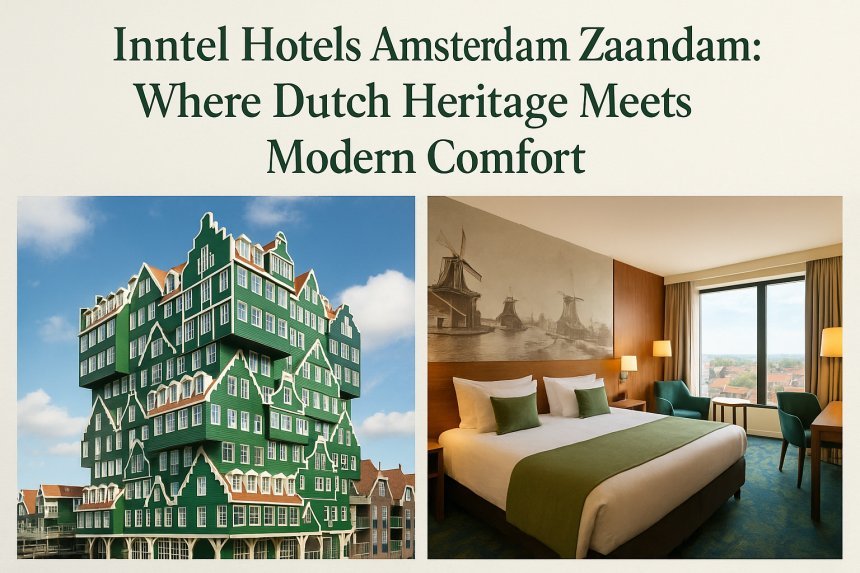
Properties that stand out through unique identity, architectural character, and experiential design achieve higher margins and guest loyalty.
The growth of lifestyle brands reflects a broader consumer preference for authenticity, personalization, and story-driven hospitality—values that resonate strongly with modern travelers.
Capital Flows & Hotel Investment
Hotel investment activity across Europe continues to rebound strongly. In early 2025, total investment volume surpassed pre-pandemic averages, signaling renewed market confidence.
The Netherlands remains a highly attractive market for international investors due to its stable economy, strong tourism infrastructure, and innovation-friendly policies.
However, tight yields are prompting investors to focus on value-add projects, repositioning underperforming assets, or converting existing buildings into boutique or hybrid hospitality concepts.
Risk, Cost Inflation & Bankruptcies
Despite the positive investment outlook, the sector faces growing operational risks from inflationary pressures. Rising energy, labor, and construction costs are squeezing margins.
In the Netherlands, economic confidence within the hospitality industry has weakened, and restaurant bankruptcies are nearing record highs.
To remain viable, hotels must improve cost control, digitize processes, and renegotiate supplier agreements to protect profitability in an uncertain market.
Pricing & Yield Management
Dynamic pricing will be the cornerstone of revenue strategy in 2025. Hotels are increasingly turning to real-time yield management, integrating data from OTAs, competitors, and guest behavior to optimize pricing decisions.
Predictive analytics enables smarter segmentation, demand forecasting, and rate adjustments that protect margins even in volatile markets.
Revenue managers who adopt data-driven systems will outperform those relying on static pricing models.
Pandemic Recovery & Resilience
While COVID-19 is no longer the dominant concern, the hospitality industry has learned the importance of resilience and agility.
Future disruptions—whether energy crises, geopolitical tensions, or economic downturns—require lean operations, diversified revenue streams, and strong cash reserves.
Hotels that prioritize adaptability, digital infrastructure, and crisis readiness will thrive in the evolving global travel landscape.
8. Talent, culture, and operational resilience
Workforce Challenges & Skill Shifts
Recruiting and retaining qualified staff remains one of the most persistent challenges in the hospitality industry.
In 2025, hotels must go beyond traditional hiring and prioritize culture, employee well-being, and development as key differentiators.
The new generation of hospitality professionals will need to be hybrid talent—combining operational expertise with data literacy, digital fluency, guest psychology, and sustainability awareness.
To compete, employers must create environments where people feel valued, supported, and continuously empowered to grow.
Role of AI & the Human Touch
While automation and robotics are taking over routine and repetitive tasks, the human element continues to define exceptional guest experiences.
The most successful hotels will master human + machine collaboration—leveraging AI-driven tools for predictive insights, communication, and efficiency while allowing frontline employees to focus on empathy, personalization, and meaningful engagement.
Technology should enhance, not replace, the emotional connection between guests and staff.
Upskilling & Internal Mobility
Continuous learning is now a cornerstone of hospitality excellence. Hotels should invest in training programs that develop digital proficiency, cross-functional knowledge, and emotional intelligence.
Courses on guest psychology, sustainability practices, and leadership prepare staff for future challenges.
Encouraging internal mobility, where employees move between departments or roles, builds a more adaptable and loyal workforce while reducing turnover.
Operational Flexibility
The modern hospitality landscape demands agile operations. Hotels must embed flexibility across every layer of management—modular staffing systems, part-time and freelance talent pools, and cross-trained teams that can quickly respond to occupancy changes or unexpected crises.
Adaptive service models ensure that service quality and efficiency remain high even under fluctuating conditions.
Resilient operations are not just about surviving disruptions but thriving through them with creativity, collaboration, and strong culture.
9. Strategic Recommendations for Dutch Hoteliers
To thrive in 2025 and beyond, Dutch hoteliers must combine innovation, agility, and authenticity. The following strategic priorities can serve as a roadmap for long-term competitiveness and resilience:
1. Perform a Sustainability Audit
Benchmark current energy, water, and waste metrics, and set a clear roadmap toward net-zero operations, circular design, and regenerative business practices. Sustainability is no longer optional—it is a driver of both reputation and profitability.
2. Adopt a Unified Technology Stack
Move toward integrated digital ecosystems that connect PMS, CRM, IoT, and automation tools. Unified data enables seamless guest journeys, real-time analytics, and smarter decision-making across departments.
3. Invest in Guest Intelligence & AI
Leverage predictive analytics, sentiment tracking, and guest profiling to anticipate needs, personalize experiences, and identify upsell opportunities. AI-powered insights transform reactive service into proactive hospitality.
4. Reimagine Experiences
Differentiate through local storytelling, wellness integration, and experiential design. Curate cultural programs, adaptive social spaces, and community partnerships that reflect local identity and attract diverse traveler segments.
5. Diversify Revenue Streams
Expand beyond traditional room revenue. Develop memberships, co-working models, branded F&B offerings, pop-up retail, and hybrid stay options such as microstays or workations to build consistent, multi-channel income.
6. Build a Staff-First Culture
Prioritize training, flexibility, and well-being. Equip employees with digital skills, offer internal career mobility, and support them through automation rather than replacement. A motivated workforce remains a hotel’s most valuable asset.
7. Plan for Policy Shifts
Stay ahead of evolving tax, land use, and sustainability regulations, including local measures like Amsterdam’s ban on new hotels. Proactive compliance ensures operational stability and community goodwill.
8. Target Growth in Secondary Markets
Explore opportunities in secondary and emerging Dutch cities where land is affordable, demand is rising, and regulation is lighter. Regional expansion helps diversify risk and capture untapped visitor flows.
9. Implement Strong Risk Management
Build resilience through cash reserves, diversified income, and cost efficiency. Monitor macroeconomic shifts, energy prices, and labor costs to maintain flexibility during market volatility.
10. Communicate Transparently
Tell your story clearly—highlighting your sustainability journey, local engagement, wellness initiatives, and guest-care philosophy. Transparent communication builds credibility, loyalty, and emotional connection with both guests and partners.
Conclusion
The future of hospitality in the Netherlands in 2025 will be defined by hotels that evolve from commodity lodging providers to curated, technology-powered, sustainable experience platforms. The hotels that survive—and thrive—will be those that embed sustainability into operations (not just marketing), use intelligence to personalize every guest touchpoint, diversify revenue beyond rooms, lean into wellness and experience, automate wisely, nurture their workforce, and remain nimble in the face of regulatory, cost, and market shifts.
Dutch hoteliers who view 2025 not as another incremental year but as a pivot toward a new paradigm will be best positioned for growth, resilience, and relevance.
Share
What's Your Reaction?
 Like
0
Like
0
 Dislike
0
Dislike
0
 Love
0
Love
0
 Funny
1
Funny
1
 Angry
1
Angry
1
 Sad
0
Sad
0
 Wow
1
Wow
1