Groningen Uncovered: 10 Must-Do Experiences in Groningen
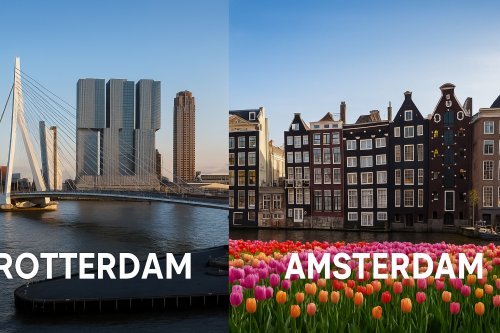
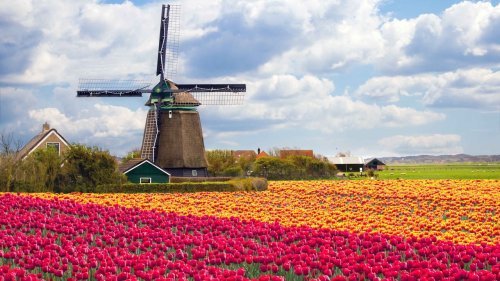
Whether you’re planning a short city-break or a longer sojourn in the Netherlands, the vibrant city of Groningen (capital of the Province of the same name) offers a compelling mix of history, student-energy, canals, modern architecture and northern Dutch charm. With its cobbled streets, bike-filled squares, peaceful parks and urban art spaces, it’s a place that goes beyond the typical “Amsterdam & tulips” route. According to the Dutch tourism board: “An old city that’s young at heart. … There’s always something new to discover.”

In this guide, we’ll explore ten of the best things to do in Groningen — from must-see landmarks to hidden local gems. Whether you’re spending a full weekend or just a few hours, these experiences will help you discover the city’s vibrant charm.
1. Explore the City Centre & Grote Markt
Begin your Groningen adventure at the Grote Markt, the bustling main square at the city’s heart. Here, historic landmarks like the Stadhuis (City Hall) stand beside vibrant cafés, bars, and terraces. The square perfectly captures Groningen’s mix of student energy and centuries-old charm — busy by day, buzzing with nightlife by evening.
A traveler once shared on Reddit:
“We want to visit Groningen soon… For a charming corner, go to the Martinikerkhof and from there the Prinsentuin.”
Tips:
-
Grab a seat at a terrace café and enjoy some quality people-watching.
-
Join a guided walking tour that starts here to get your bearings.
-
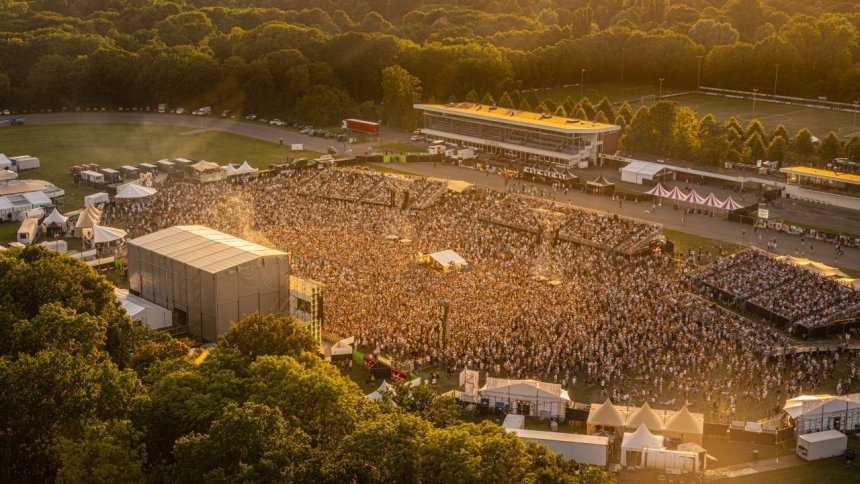
If you’re visiting in summer, check for open-air concerts and local festivals often held in the square.
2. Climb the Martini Tower (Martinitoren) for Panoramic Views
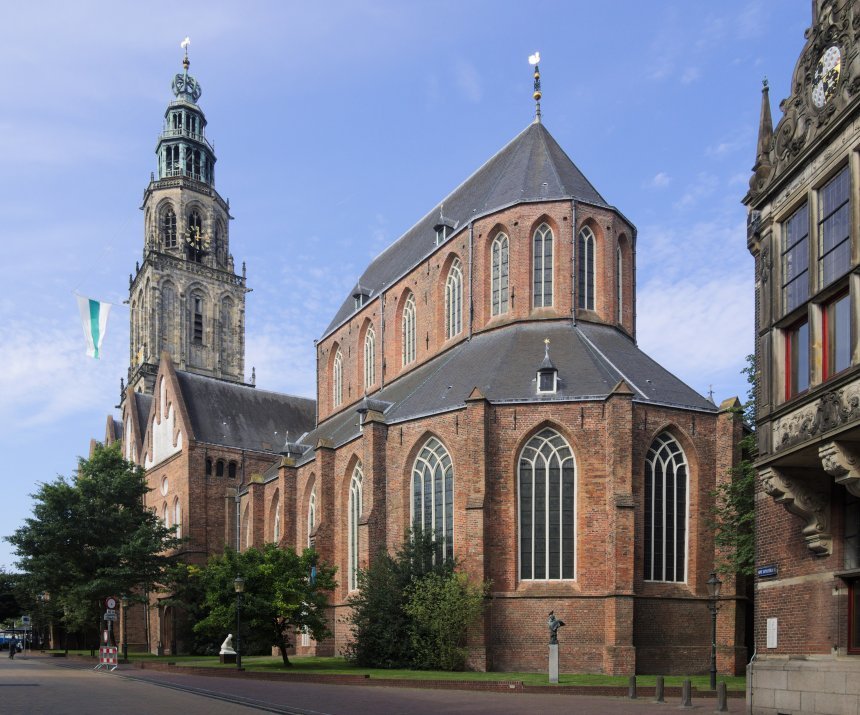
No visit to Groningen is complete without climbing the Martini Tower (Martinitoren) the city’s proudest landmark beside the Martinikerk. Rising nearly 97 metres, it has watched over the skyline for centuries and remains one of the highest church towers in the Netherlands.
The climb — about 260 winding steps — may be a bit of a workout, but the reward is unforgettable: 360-degree views of Groningen’s rooftops, canals, and countryside stretching into the distance. Along the way, you’ll also spot the historic bells and stone carvings that tell the story of this Gothic masterpiece.
Tips:
-
Wear comfortable shoes — the staircase is steep and narrow.
-
Visit early in the morning or late afternoon for the best light and fewer crowds.
-
Photographers: bring a wide-angle lens or smartphone panorama mode for stunning shots.
-
Tickets and visiting hours: check the official Martini Tower website before your trip.
3. Visit the Groninger Museum for Modern & Contemporary Art
If you’re passionate about art, design, or architecture, the Groninger Museum is an absolute must-see. Opened in 1994, this world-class institution is a masterpiece of postmodern architecture, designed by a team of renowned creatives including Alessandro Mendini, Philippe Starck, and Michele de Lucchi. Its bold colors, geometric forms, and reflective surfaces make it one of the most photographed buildings in Groningen, sitting dramatically on an island opposite the main train station.
Inside, the museum offers a dynamic mix of art, fashion, photography, and design. The permanent collection features both Dutch masters and leading contemporary artists such as David LaChapelle, Rodin, and Andy Warhol, alongside regional works that highlight the cultural identity of the north. Temporary exhibitions rotate regularly, showcasing everything from avant-garde installations to immersive digital art and Dutch design retrospectives.
Families and casual visitors will also find plenty to enjoy: interactive exhibits, multimedia tours, and educational programs make the museum engaging for all ages. The in-house café and design shop are worth lingering in — perfect for picking up a creative souvenir or relaxing after your visit.
Tips:
-
Check the official website for current exhibitions, opening hours, and tickets (discounts available with the Museumkaart).
-
Plan 1½–2 hours for your visit to fully explore each gallery.
-
Don’t miss the museum shop and café, favourites among local artists and students.
-
Combine your visit with a short stroll along the Verbindingskanaal — the view of the museum from the bridge is stunning, especially at sunset.
4. Stroll or Cycle through the City & Canals
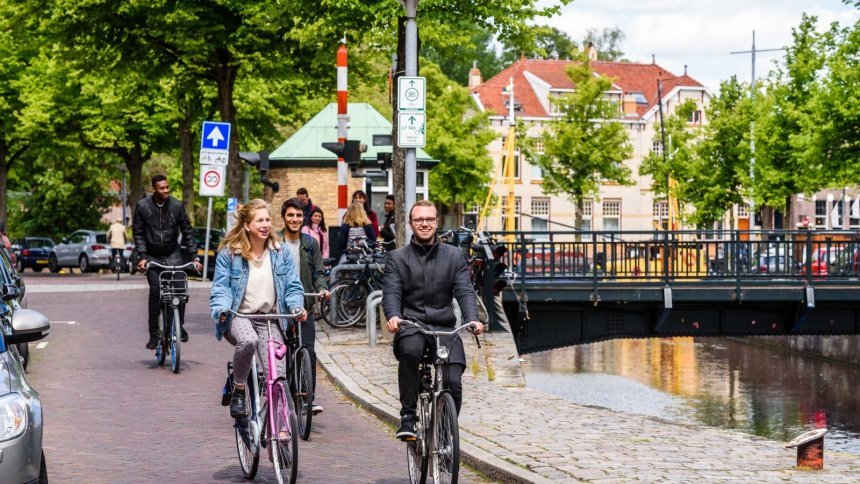
To truly experience Groningen, slow down and explore it the Dutch way — on foot or by bike. The city centre is compact and charming, filled with historic brick façades, arched bridges, leafy canals, and countless photo spots. Whether you wander through the old quarters or glide along the water on two wheels, you’ll quickly understand why Groningen regularly ranks among the most bike-friendly cities in the world.
Cycling here isn’t just transport — it’s culture. You’ll see students balancing coffee cups on handlebars, parents with kids in front-bikes, and commuters pedalling briskly through medieval lanes. There are over 145,000 bicycles in the city — more than its population — so bike paths are everywhere and remarkably safe.
Take time to cross the Noorderhaven canal and head toward neighbourhoods like Oosterpoort or Noorderplantsoen Park, where locals picnic and relax by the water. Along the way, peek into Groningen’s “hofjes” — peaceful inner courtyards hidden behind the main streets, often surrounded by 17th-century almshouses and tiny gardens. These are true urban sanctuaries, many open to the public.
Highlights:
-
Historic canals: Walk or cycle along Hoge der A and Lage der A, once busy trading wharfs now lined with cafés and vintage shops.
-
Hidden courtyards: Explore the Hofje van Cammingha or other tucked-away green pockets that feel centuries apart from the city bustle.
-
Local parks: Continue north to Noorderplantsoen Park — Groningen’s favourite green space for cycling, jogging, or relaxing by the ponds.
-
Canal-side cafés: Stop at Café De Sleutel or Het Concerthuis for coffee with a local vibe.
Tips:
-
Rent a bike from Fietsverhuur Groningen near the station or try the Donkey Republic app for self-service rentals.
-
Always keep right on bike lanes and use hand signals when turning — locals ride fast!
-
Evening rides along the canals are especially magical when bridges and historic warehouses are lit up.
5. Relax in the Prinsentuin Gardens (The Prince’s Garden)
After exploring Groningen’s lively streets and canals, take a moment to unwind at the Prinsentuin a serene Renaissance garden hidden behind the Martinikerk. Created in the 17th century for Stadtholder Willem Frederik of Nassau and his wife, Countess Albertine Agnes, it remains one of Groningen’s most peaceful and picturesque spots.
This symmetrical garden is divided into elegant rose beds, herb gardens, and neatly trimmed boxwood hedges. Stroll along gravel paths, admire the intricate sundial, or sit beneath the green pergolas to enjoy a quiet break surrounded by history.
During spring and summer, the Prinsentuin bursts into color and fragrance — a favourite setting for poetry readings, open-air concerts, and photo shoots. Just outside the garden gate, the historic Hotel Prinsenhof offers a beautiful terrace café where you can sip coffee or tea while overlooking the greenery.
Tips:
-
Free entry; open daily during daylight hours (April–October is best).
-
Visit early morning or late afternoon for a peaceful experience and soft lighting.
-
Great spot for photography, picnics, or simply catching your breath between attractions.
6. Dive into Local Flavours & Markets
No trip to Groningen is complete without tasting its local flavours and exploring its lively market scene. The city’s food culture is deeply tied to its community — fresh, creative, and proudly local.
Start at the Vismarkt, Groningen’s bustling outdoor market held every Tuesday, Friday, and Saturday. Here, stalls overflow with Dutch cheeses, warm stroopwafels, flowers, spices, and fresh fish — all under the backdrop of the city’s historic architecture. It’s the perfect place to mingle with locals, sample snacks, or pick up small souvenirs.
For something uniquely Gronings, try the eierbal a golden, crispy fried snack with a soft ragout and a boiled egg inside. It’s the city’s pride and a must-try for curious foodies. Pair it with a Dutch beer from a local brewery for the full experience.
After the market, wander through nearby streets like Oosterstraat or Folkingestraat, where you’ll find cozy student cafés, vegan eateries, and craft-beer bars buzzing with energy. For dessert, stop at Het Concerthuis for creative brunch plates or PUUR! Frozen Yoghurt & Coffee for a sweet treat.
Tips:
-
The market is most vibrant in the morning and winds down by 2 p.m.
-
Bring cash or a debit card, as not all stalls accept credit cards.
-
Visit Bax Bier Brewery Brouwerij Martinus to sample locally brewed beers.
-
Check Visit Groningen’s Food & Drink Guide for current restaurant and café recommendations.
7. Dive into Student & Nightlife Culture
Groningen is often called the youngest city in the Netherlands, and it shows — with over 50,000 students fueling a vibrant, creative, and welcoming atmosphere. Thanks to its large university community, the city’s nightlife is legendary — lively, safe, and famously without an official closing time (yes, bars often stay open until sunrise!).
Start your evening around the Grote Markt or along the Poelestraat and Peperstraat, two of Groningen’s liveliest nightlife streets lined with bars, cocktail lounges, and music cafés. Popular spots include Drie Gezusters, one of Europe’s largest pubs, and Café de Toeter, known for craft beers and canal views.
If your visit coincides, don’t miss Eurosonic Noorderslag Europe’s leading showcase festival for emerging artists, held every January. Throughout the year, the city also hosts events like Noorderzon Performing Arts Festival and Kadepop, drawing visitors from across the country.
For something more laid-back, head to Mr. Mofongo’s Skybar where a robot bartender mixes your drink — or relax at a rooftop terrace like The Pool or The Social Hub for a panoramic city view by night.
Tips:
-
Reserve dinner tables ahead on weekends or during festivals.
-
Bars stay open late, but locals usually start the night around 10–11 p.m.
-
Check the Groningen Events Calendar for upcoming student nights, concerts, and cultural happenings.
-
For a quieter evening, explore smaller live-music cafés near Oosterstraat or along the Noorderhaven.
8. Venture Out to Nature or the Coast
When you’ve had your fill of city life, it’s time to discover the other side of Groningen — the wide open landscapes, peaceful villages, and coastal nature reserves that define the province. A short drive or bike ride takes you to some of the Netherlands’ most tranquil scenery.
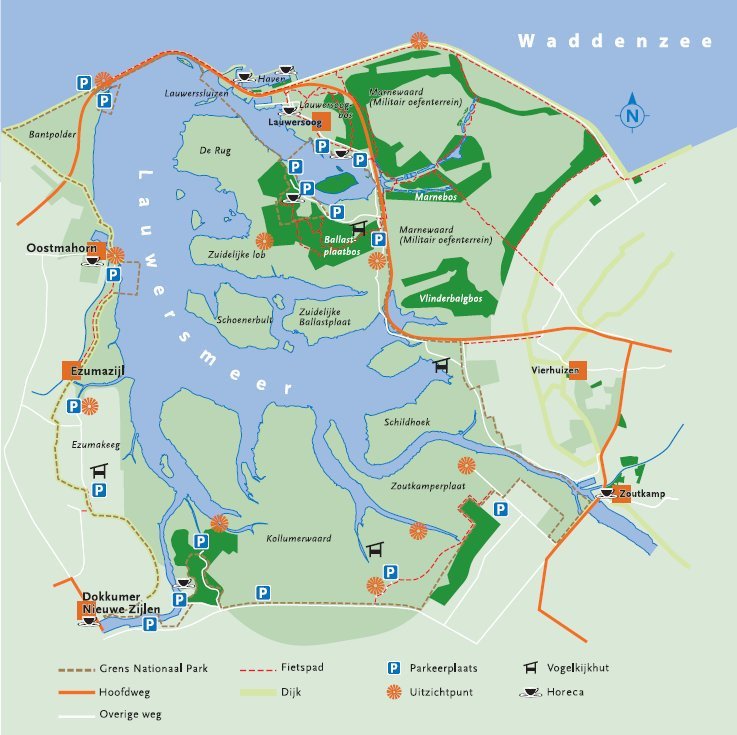
Start with National Park Lauwersmeer, about an hour northwest of the city. Once part of the sea, it’s now a freshwater lake surrounded by meadows, reed beds, and bird sanctuaries — a paradise for hikers, cyclists, and birdwatchers. You can rent bikes or boats, visit the Dark Sky Park for stargazing, or stop by Zoutkamp, a charming fishing village with colorful houses and waterfront cafés.
Further north lies the Wadden Sea a UNESCO World Heritage Site famous for its tidal flats, wildlife, and dramatic coastal skies. Join a “wadlopen” (mudflat walking) tour during low tide for a truly Dutch experience — trekking across the sea floor with a guide as seabirds circle overhead.
The countryside surrounding Groningen is equally inviting. Villages like Winsum (voted the Netherlands’ most beautiful village), Appingedam, and Middelstum offer postcard-perfect canals, historic churches, and windmills that feel untouched by time.
Tips:
-
If you have more than one day, plan a half-day trip to the coast or countryside — it’s a refreshing contrast to the urban energy.
-
Bring binoculars or a camera — birdlife and sunsets are spectacular here.
-
Visit the Lauwersnest Visitor Centre for maps, tours, and local info.
-
Guided mudflat walks usually run April–October; check weather and tides in advance.
9. Discover Hidden or Offbeat Spots
If you love finding places that don’t make every travel brochure, Groningen rewards your curiosity. Beyond its main attractions lies a world of quirky art, modern design, and quiet corners that reveal the city’s creative spirit.
Start with Wall House #2 a striking architectural landmark designed by American architect John Hejduk. Its bold shapes and colorful façade make it one of the most photographed modern buildings in the north of the Netherlands. Located near the Hoornsemeer Lake, it hosts small art exhibits and offers a glimpse into Groningen’s love of avant-garde design.
For something completely different, visit Excalibur Climbing Tower the world’s tallest freestanding climbing wall at 37 meters! Even if you’re not climbing, it’s fascinating to see this sculptural structure curving into the sky at the edge of town.
Back in the city centre, wander through hidden alleys, student art installations, and peaceful courtyards (“hofjes”) tucked behind old façades. You might stumble upon mural art in unexpected places or sculptures nestled between university buildings. Each turn offers a little surprise — perfect for photographers and urban explorers alike.
Tips:
-
Bring a camera or smartphone — Groningen’s mix of classic and contemporary architecture is full of photo ops.
-
Download the Architecture Walking Route or Street Art Route to uncover local gems.
-
Visit Wall House #2 on weekends; it’s open for exhibitions and guided tours.
-
For quiet reflection, explore the Hofje van Cammingha or smaller courtyards around Oude Kijk in ’t Jatstraat.
10. Plan & Practical Tips
Before you wrap up your Groningen adventure, here are a few handy tips to help you plan smoothly and make the most of your visit.
Getting there:
Groningen is well-connected by train from major Dutch cities like Amsterdam, Utrecht, and Rotterdam — the journey takes around 2–2.5 hours. Check schedules and ticket prices on NS.nl (Dutch Railways). If you’re flying in, Groningen Airport Eelde serves regional and some European routes.
Getting around:
The city centre is compact, walkable, and extremely bike-friendly. You’ll find plenty of rental options near the train station, such as Fietsverhuur Groningen or self-service apps like Donkey Republic. For longer distances, use Qbuzz public transport buses connect the entire region efficiently.
Best time to visit:
Spring and summer (April–August) are perfect for festivals, outdoor dining, and cycling. Autumn brings cozy cafés and fewer crowds, while winter offers festive markets and a peaceful city vibe.
Accommodation:
From boutique stays like Hotel Prinsenhof to stylish hostels such as Rebel Rebel Hostel or Simplon, Groningen offers options for every budget. Booking early is wise during university or festival periods.
Duration:
-
1 day: Focus on the city centre — Grote Markt, Martini Tower, Groninger Museum, and a canal walk.
-
2–3 days: Add the Prinsentuin Gardens, local markets, and a half-day trip to the countryside or coast.
Local etiquette:
Cycling rules are strict — always keep right, signal turns, and avoid walking on bike lanes. Note that shops and museums may close earlier outside peak season (especially Sundays).
Budget:
As a student city, Groningen is pleasantly affordable. Expect lower prices on food and drinks than in Amsterdam or Utrecht. Grab lunch deals at student cafés or enjoy happy hours in local bars.
🌿 Final Thoughts
Groningen offers a delightful blend of historic depth, youthful energy, architectural variety, and northern Dutch tranquillity. Whether you’re sipping coffee in the Grote Markt, climbing the Martini Tower for sweeping views, exploring modern art at the Groninger Museum, or cycling toward serene nature reserves, there’s something here for every kind of traveller.
When you weave together the classic sights and the hidden gems, you’ll discover that Groningen rewards curiosity and invites slow, mindful exploration — the kind of city that feels fresh each time you visit.
💡 Save this blog for your next trip, tag your photos with #GroningenAdventure, and if you’d like a printable city map or a curated 2-day itinerary PDF, I can prepare one for you!
Share
What's Your Reaction?
 Like
0
Like
0
 Dislike
0
Dislike
0
 Love
0
Love
0
 Funny
0
Funny
0
 Angry
0
Angry
0
 Sad
0
Sad
0
 Wow
1
Wow
1