Top 15 Places to Visit in the Netherlands (That Locals Love Too)
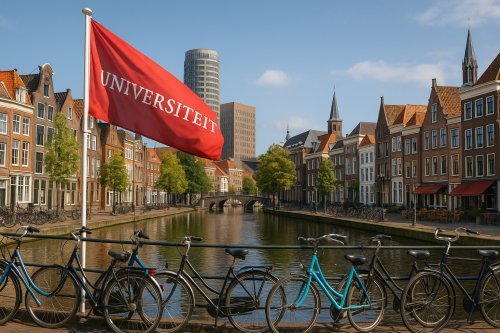
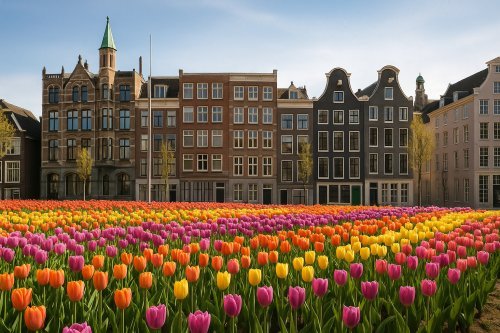
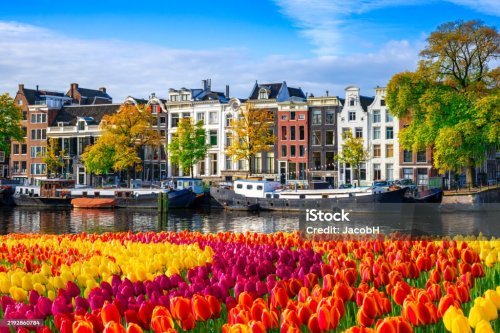
When people think of the Netherlands, they often picture windmills, tulip fields, bicycles, and Amsterdam’s canals. But there’s so much more to this small yet fascinating country than the capital city. From medieval towns to coastal escapes and modern art hubs, the Netherlands is packed with charming destinations that locals adore — and travelers often overlook.

If you’re planning a Dutch adventure and want to go beyond the typical tourist path, this guide highlights the top 15 places to visit in the Netherlands — featuring both famous attractions and hidden gems loved by locals.
1. Amsterdam – The Heart of Dutch Culture
Amsterdam, the vibrant capital of the Netherlands, is more than canals and coffee shops — it’s a living museum of art, culture, and innovation. Known for its historic waterways, world-class museums, and lively neighborhoods, Amsterdam perfectly blends old-world charm with a modern, creative spirit.
Whether you’re a first-time visitor or a frequent traveler, this Amsterdam travel guide will help you discover the best places to visit in Amsterdam, how to get around, and what kind of budget to expect.
🏛️ Top Attractions in Amsterdam
-
Rijksmuseum – Home to Dutch Golden Age masterpieces, including Rembrandt’s The Night Watch.
🎟️ Entry: €22.50 | ⏱️ Time needed: 2–3 hours -
Van Gogh Museum – Holds the world’s largest collection of Van Gogh’s paintings.
🎟️ Entry: €20 | ⏱️ Time needed: 2 hours -
Anne Frank House – A moving experience into the life of Anne Frank.
🎟️ Entry: €16 | ⏱️ Book online weeks in advance -
Heineken Experience – Interactive brewery tour.
🎟️ Entry: €23 | 🍺 Includes 2 drinks -
Canal Cruise – A must-do for first-time visitors.
🎟️ Price: €15–25 depending on duration and operator
🏙️ Best Neighborhoods to Explore
-
Jordaan District – Quaint streets, boutique shops, and cozy cafés.
-
De Pijp – Home to the multicultural Albert Cuyp Market and trendy restaurants.
-
Leidseplein & Rembrandtplein – Nightlife hubs packed with live music, theaters, and bars.
-
Amsterdam Noord – A creative hotspot with art studios, rooftop bars, and the A’DAM Lookout swing.
🚲 Experience Amsterdam Like a Local
Rent a bike for around €10–15 per day and explore the city at your own pace. Cycle along the Amstel River, visit the Vondelpark, and discover hidden gems beyond the city center.
Or hop on a public tram (GVB) — a single ticket costs €3.40 and is valid for 1 hour, while a day pass costs around €8.50.
🚄 How to Get to Amsterdam
-
From Schiphol Airport (AMS):
The airport is just 15 minutes by train to Amsterdam Central Station. Trains run every 10 minutes and cost €5.90 one way. -
From Other Dutch Cities:
-
Rotterdam → Amsterdam: 1 hour by train (€18–€25).
-
Utrecht → Amsterdam: 30 minutes (€9–€12).
-
The Hague → Amsterdam: 50 minutes (€13–€17).
-
-
From Neighboring Countries:
-
Brussels: 2 hours by high-speed train (Thalys/Eurostar, ~€35–€60).
-
Paris: 3.5 hours by Eurostar (~€50–€90 if booked early).
-
💶 Travel Budget: How Much You’ll Need
Amsterdam can be as affordable or as luxurious as you make it.
Here’s an approximate daily budget per traveler:
| Type of Traveler | Daily Cost (Approx.) | Includes |
|---|---|---|
| Budget Traveler | €60–€90 | Hostel bed, public transport, museum pass, local meals |
| Mid-range Traveler | €120–€180 | 3★ hotel, tram pass, restaurants, attractions |
| Luxury Traveler | €250+ | 4★/5★ hotel, fine dining, private tours, premium canal cruise |
💡 Tip: Get the I amsterdam City Card (€60–€130 depending on duration) — it includes free entry to 70+ attractions, public transport, and canal cruises.
🌷 Why Amsterdam Should Be on Your Bucket List
From its canal cruises and historic museums to its cycling culture and cozy cafés, Amsterdam embodies the true Dutch lifestyle. Whether you’re wandering through Jordaan’s narrow streets or relaxing in Vondelpark, the city’s charm will capture your heart.
This is not just a destination — it’s the soul of the Netherlands, where art, freedom, and tradition meet in perfect harmony.
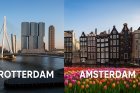
2. Rotterdam – The Modern Marvel
If Amsterdam tells the story of Dutch history, Rotterdam writes the chapter of its future. This city stands as a symbol of innovation, resilience, and bold design. After being almost completely destroyed during World War II, Rotterdam was reborn as a modern architectural masterpiece — making it one of the most unique destinations in Europe.
With its striking skyline, vibrant harbor, and multicultural atmosphere, Rotterdam is a must-visit for travelers seeking the modern side of the Netherlands.
🏙️ Top Attractions in Rotterdam
-
Markthal – A dazzling indoor market shaped like an arch, with colorful murals covering its ceiling. Inside, you’ll find fresh seafood, cheeses, pastries, and international dishes.
🎟️ Free entry | 💰 Meals from €5–€20 -
Euromast Tower – Take a high-speed elevator to the observation deck for panoramic views of the city and harbor.
🎟️ Entry: €12.50 | 🚡 Optional abseiling in summer months -
Cube Houses (Kubuswoningen) – An architectural wonder by Piet Blom featuring tilted, cube-shaped homes. You can even tour one at the Show Cube Museum.
🎟️ Entry: €3 -
Erasmus Bridge (Erasmusbrug) – The iconic “Swan Bridge” connects the north and south sides of Rotterdam, symbolizing the city’s renewal. A popular spot for photography, cycling, and evening walks.
-
Museum Boijmans Van Beuningen Depot – The world’s first publicly accessible art storage facility — a mirrored bowl-shaped building showcasing more than 150,000 artworks.
🎟️ Entry: €20
🎨 Neighborhoods and Experiences
-
Kop van Zuid: A sleek waterfront district lined with skyscrapers, trendy bars, and fine-dining restaurants.
-
Delfshaven: One of the few areas that survived WWII bombings — perfect for historic charm, canals, and breweries.
-
Witte de Withstraat: The heart of Rotterdam nightlife and street art, filled with galleries, cocktail bars, and global cuisine.
-
Katendrecht: Once a dockworker’s quarter, now a food-lover’s paradise with local markets and creative spaces.
🚄 How to Get to Rotterdam
-
From Amsterdam:
Take the NS Intercity Direct train — only 40 minutes from Amsterdam Centraal to Rotterdam Centraal.
💰 Price: €17–€25 one way -
From Schiphol Airport:
Direct trains run every 20 minutes, reaching Rotterdam in 25 minutes.
💰 Price: €14–€20 -
From Other Cities:
-
Utrecht → Rotterdam: 45 min (€10–€15)
-
The Hague → Rotterdam: 20 min (€6–€9)
-
Brussels → Rotterdam: 1 hr 10 min by Eurostar (€30–€50)
-
🚍 Tip: Rotterdam’s RET public transport system (trams, buses, metro) is fast and affordable. A day pass costs €9 and covers unlimited rides.
💶 Budget: How Much You’ll Need in Rotterdam
| Type of Traveler | Daily Cost (Approx.) | Includes |
|---|---|---|
| Budget Traveler | €60–€80 | Hostel or budget hotel, local meals, metro pass, 1–2 attractions |
| Mid-range Traveler | €120–€160 | 3★ hotel, restaurants, tram/metro, museums |
| Luxury Traveler | €220+ | 4★/5★ hotel, fine dining, private harbor cruise, premium experiences |
💡 Money-Saving Tip: Get a Rotterdam Welcome Card (€12.50–€28 depending on duration) — includes public transport and discounts up to 50% on major attractions and restaurants.
🌆 Why Rotterdam Should Be on Your Itinerary
Rotterdam stands out as one of Europe’s most innovative cities — where creativity meets functionality. From the futuristic skyline to its dynamic art scene and international cuisine, every corner tells a story of rebirth and progress.
If Amsterdam is the soul of the Netherlands, Rotterdam is its beating heart of innovation — a place where the future is being built every single day.
3. The Hague (Den Haag) – The Royal City by the Sea
The Hague, or Den Haag in Dutch, is a city where royalty, politics, and seaside leisure meet in perfect harmony. Known as the political heart of the Netherlands, The Hague hosts the Dutch Parliament, the Royal Palace, the Peace Palace, and many international institutions — including the International Court of Justice and Europol.
Yet, despite its formal reputation, The Hague is also a relaxed coastal city, offering golden beaches, world-class art, and an elegant mix of old and new. For travelers seeking culture with a side of sea breeze, The Hague is the perfect destination.
🏛️ Top Attractions in The Hague
-
Mauritshuis Museum – One of Europe’s finest small art museums, home to Vermeer’s “Girl with a Pearl Earring”, Rembrandt’s “The Anatomy Lesson”, and works by Rubens and Steen.
🎟️ Entry: €19.50 | ⏱️ Allow 2 hours -
Binnenhof & Ridderzaal (Knight’s Hall) – The seat of the Dutch Parliament and one of the most historic political buildings in the country. Free to walk around and photograph.
🎟️ Guided tours: from €12 -
Peace Palace (Vredespaleis) – A global symbol of justice and peace, housing the International Court of Justice.
🎟️ Visitor Centre: Free entry | 🕒 Closed Mondays -
Escher in Het Paleis – A museum dedicated to M. C. Escher’s mind-bending artworks, set inside a former royal palace.
🎟️ Entry: €12 -
Scheveningen Beach – The Hague’s lively seaside district with cafés, beach clubs, a pier with Ferris wheel, and surf schools.
🎟️ Free entry | 🍦 Beach chairs €8–€10/day
🎨 Neighborhoods & Local Experiences
-
City Centre (Binnenstad): Elegant shopping streets, the Passage arcade, and cozy Dutch cafés.
-
Statenkwartier: Grand architecture and embassies, near the Gemeentemuseum (Kunstmuseum Den Haag) — famous for Mondrian’s Victory Boogie Woogie.
-
Scheveningen: Perfect for sunbathing, kitesurfing, and seaside dining.
-
Zeeheldenkwartier: Trendy boutiques and street art — a hidden gem for local vibes.
🚄 How to Get to The Hague
-
From Amsterdam:
Direct train from Amsterdam Centraal to Den Haag Centraal takes 50 minutes.
💰 Price: €13–€17 one way -
From Rotterdam:
Only 20 minutes by train (Intercity Direct or Sprinter).
💰 Price: €6–€9 -
From Schiphol Airport:
Frequent trains run every 15 minutes; travel time 30 minutes.
💰 Price: €9–€12
🚍 Tip: The Hague has an excellent HTM tram and bus network. A day ticket costs around €8, covering all local transport including Scheveningen Beach.
💶 Budget: How Much You’ll Need in The Hague
| Type of Traveler | Daily Cost (Approx.) | Includes |
|---|---|---|
| Budget Traveler | €60–€90 | Hostel or budget hotel, trams, street food, 1–2 attractions |
| Mid-range Traveler | €110–€160 | 3★ hotel, public transport, museums, restaurants |
| Luxury Traveler | €220+ | 4★/5★ hotel, fine dining, private beach lounge, guided tours |
💡 Money-Saving Tip: Buy a The Hague City Card (€11.50) for discounts on major museums, attractions, and restaurants across the city.
🌊 Why The Hague Should Be on Your Travel List
Few cities blend political power, royal heritage, and beachside relaxation like The Hague. You can tour centuries-old government buildings in the morning, admire world-famous art in the afternoon, and watch the sunset over Scheveningen Beach in the evening.
Whether you’re an art lover, history buff, or beachgoer, The Hague promises a uniquely balanced Dutch experience — sophisticated yet laid-back, elegant yet effortlessly fun.
4. Utrecht – Canals and Culture Without the Crowds
If you love Amsterdam’s charm but want to skip the crowds, Utrecht is your dream destination. Often called the mini-Amsterdam, this historic yet youthful city blends medieval architecture with a vibrant, modern spirit. Its iconic canals are unlike any others in the Netherlands — featuring two-level quaysides with wharf cellars turned into cafés, restaurants, and art studios that sit right on the water.
Centrally located and effortlessly cool, Utrecht offers a mix of culture, creativity, and community that captures the heart of every visitor.
🏛️ Top Attractions in Utrecht
-
Dom Tower (Domtoren) – The tallest church tower in the Netherlands at 112 meters. Climb 465 steps for panoramic views of the city skyline.
🎟️ Entry: €13 | ⏱️ Guided tours available daily -
Museum Speelklok – A delightful museum dedicated to self-playing musical instruments, from antique clocks to orchestrions — great for families.
🎟️ Entry: €15 | 🕒 Family-friendly guided tours included -
Railway Museum (Spoorwegmuseum) – One of Europe’s most interactive train museums, housed in a restored 19th-century station.
🎟️ Entry: €18.50 | 🚂 Free for Museumkaart holders -
Oudegracht (Old Canal) – The heart of Utrecht’s charm. Stroll along the canal’s lower wharf level and enjoy terrace cafés, bookstores, and canal-side dining.
-
Centraal Museum – Home to Dutch art, fashion, and design — including works by Dick Bruna, the creator of Miffy.
🎟️ Entry: €16
🎨 Neighborhoods & Local Experiences
-
Museumkwartier: Utrecht’s oldest district — full of cobblestone lanes, galleries, and hidden courtyards.
-
Lombok: A multicultural food hub known for Middle Eastern and Indonesian cuisine.
-
Vaartsche Rijn: Trendy student area with indie cafés and vintage shops.
-
Leidsche Rijn: A newer district showcasing modern Dutch urban design.
☕ Local tip: Try coffee at The Village Coffee & Music or a canal-side beer at Olivier Utrecht, a former church turned into a pub.
🚄 How to Get to Utrecht
-
From Amsterdam:
Trains run every 10 minutes from Amsterdam Centraal to Utrecht Centraal — only 25–30 minutes.
💰 Price: €9–€12 -
From Rotterdam:
Around 40–45 minutes by Intercity train.
💰 Price: €11–€15 -
From Schiphol Airport:
Direct train takes 30 minutes.
💰 Price: €10–€13 -
From The Hague:
About 35 minutes by train.
💰 Price: €10–€14
🚲 Getting around: Utrecht is one of the Netherlands’ top cycling cities. Rent a bike for €10–€14 per day or use buses/trams with a day pass (€7.50).
💶 Budget: How Much You’ll Need in Utrecht
| Type of Traveler | Daily Cost (Approx.) | Includes |
|---|---|---|
| Budget Traveler | €55–€80 | Hostel stay, cycling, budget meals, canal strolls |
| Mid-range Traveler | €110–€150 | 3★ hotel, restaurant dining, museum entries |
| Luxury Traveler | €200+ | 4★/5★ hotel, fine dining, private city tours |
💡 Money-Saving Tip: Utrecht is smaller than Amsterdam — most attractions are walkable or bike-friendly, saving on transport costs.
🎉 Why Utrecht Should Be on Your Travel List
Utrecht combines historic beauty with youthful energy. You can climb medieval towers in the morning, relax beside the canals in the afternoon, and join a local music festival at night. The city’s student-driven creativity, cozy cafés, and laid-back pace make it one of the most authentic Dutch experiences you can have.
For travelers seeking culture without chaos, Utrecht delivers the perfect balance — charming, creative, and unmistakably Dutch.
5. Giethoorn – The Venice of the Netherlands
Imagine a village with no cars, just canals, boats, and bicycles — welcome to Giethoorn, the Venice of the Netherlands. Nestled in the peaceful province of Overijssel, Giethoorn enchants visitors with its thatched-roof cottages, arched wooden bridges, and tranquil waterways.
This storybook village looks like something out of a painting — and it truly is one of the most romantic places to visit in the Netherlands, perfect for couples, nature lovers, and photographers seeking postcard-perfect views.
🚤 Top Things to Do in Giethoorn
-
Rent a Whisper Boat or Canoe – The best way to explore is by water. Glide past cottages and gardens on a silent electric “whisper boat”, available for rent at many boathouses.
💰 Boat rental: €15–€25 per hour (2–4 people) | ⏱️ Best time: Morning for calm canals -
Explore Giethoorn Village on Foot or by Bike – Walk along the narrow paths and over 176 wooden bridges, or rent a bike for €10–€15 per day to explore nearby nature trails and villages.
-
Museum De Oude Aarde – A fascinating gemstone and mineral museum showcasing crystals and fossils from around the world.
🎟️ Entry: €5 -
Giethoorn Olde Maat Uus Museum – Step inside a traditional farmhouse to see how locals lived centuries ago.
🎟️ Entry: €6 -
Eat Dutch Pancakes by the Water – Try pannenkoeken (Dutch pancakes) at De Sloothaak or Grand Café Fanfare, both offering canal-side views.
🍽️ Average meal: €12–€18
🌿 Best Time to Visit Giethoorn
-
Spring (April–May): Blooming flowers and mild weather.
-
Summer (June–August): Lush greenery and longer boating hours (but also the busiest).
-
Autumn (September–October): Fewer tourists, cozy cafés, and warm colors.
-
Winter (December–February): Frozen canals sometimes allow ice skating, giving the village a magical look.
🚆 How to Get to Giethoorn
-
From Amsterdam:
Take a train to Steenwijk Station (approx. 2 hours), then a bus 70 to Giethoorn (15 minutes).
💰 Total cost: €25–€35 one way -
From Utrecht:
Train to Zwolle and transfer to Steenwijk, then bus 70. Total travel time: 2 hours 15 min. -
From Rotterdam / The Hague:
Around 2.5 hours by train with transfers at Zwolle and Steenwijk.
🚗 By car: Giethoorn is 120 km from Amsterdam (about 1 hr 40 min). Limited parking is available at the village entrances, costing €5–€7 per day.
💶 Budget: How Much You’ll Need in Giethoorn
| Type of Traveler | Daily Cost (Approx.) | Includes |
|---|---|---|
| Budget Traveler | €60–€80 | Guesthouse stay, boat rental, café lunch |
| Mid-range Traveler | €110–€150 | 3★ hotel, full-day boat rental, local dining |
| Luxury Traveler | €200+ | Boutique canal hotel, private cruise, fine dining |
💡 Money-Saving Tip: Visit in spring or autumn — you’ll find better prices on accommodations and fewer crowds, while still enjoying beautiful scenery.
💕 Why Giethoorn Should Be on Your Dutch Travel List
Giethoorn offers a rare escape from modern chaos — a peaceful paradise of canals, cottages, and calm. Whether you’re gliding through mirror-like waters, dining by the canals, or capturing reflections under quaint bridges, this village feels timeless.
For anyone planning a romantic getaway or scenic photography trip, Giethoorn is one of the most unforgettable destinations in the Netherlands — a place where every corner feels like a living postcard.
6. Leiden – The Birthplace of Rembrandt
Known as the birthplace of Rembrandt van Rijn and home to the oldest university in the Netherlands, Leiden is a charming blend of history, intellect, and Dutch beauty. Located between Amsterdam and The Hague, this picturesque university city offers peaceful canals, fascinating museums, and a lively student atmosphere.
Leiden’s small size makes it ideal for exploring on foot or by bike, while its artistic and academic heritage makes it one of the most enriching destinations in the Netherlands.
🏛️ Top Attractions in Leiden
-
Museum De Lakenhal – The city’s premier art museum, showcasing works by Rembrandt, as well as other Dutch Golden Age masterpieces.
🎟️ Entry: €15 | 🕒 Closed Mondays -
National Museum of Antiquities (Rijksmuseum van Oudheden) – One of Europe’s best archaeological museums, featuring Egyptian mummies, Roman relics, and ancient Greek artifacts.
🎟️ Entry: €14 -
Hortus Botanicus Leiden – The oldest botanical garden in the Netherlands, founded in 1590 and once home to Carl Linnaeus, the father of modern taxonomy.
🎟️ Entry: €9 | 🌸 Best visited in spring -
Leiden University & Observatory – Visit the university courtyard or take a guided tour of the Leiden Observatory, one of the world’s oldest functioning observatories.
-
Leiden Canals & Windmills – Walk along the Rijn and Nieuwe Rijn canals, or visit Molen de Valk, a working windmill museum with panoramic city views.
🎟️ Entry: €7 -
Leiden Flower Parade (Bloemencorso) – Every April, this world-famous floral parade passes through Leiden, filling the streets with vibrant flower-decorated floats.
📚 Neighborhoods & Local Experiences
-
City Centre (Binnenstad): Historic buildings, student cafés, and boutique stores around Nieuwe Rijn canal.
-
Pieterswijk: Home to Pieterskerk, where the Pilgrims worshipped before sailing to America.
-
Academieplein: The intellectual heart of Leiden, near the university buildings.
-
Breestraat: Great for shopping, restaurants, and bookshops.
☕ Local Tip: Stop at Café Barrera or Annie’s by the canal for coffee with a view, or enjoy a local beer at Stadsbrouwhuis Leiden, a craft brewery loved by students.
🚄 How to Get to Leiden
-
From Amsterdam:
Direct train from Amsterdam Centraal to Leiden Centraal in 35 minutes.
💰 Price: €10–€13 -
From The Hague:
Only 15 minutes by train — perfect for a day trip.
💰 Price: €4–€6 -
From Rotterdam:
Around 30 minutes by train.
💰 Price: €7–€10 -
From Schiphol Airport:
Just 20 minutes by train, making it one of the most accessible cities in the Netherlands.
💰 Price: €6–€8
🚲 Getting around: Leiden is compact and bike-friendly. Rent a bicycle for €10–€13 per day or simply explore the city center on foot.
💶 Budget: How Much You’ll Need in Leiden
| Type of Traveler | Daily Cost (Approx.) | Includes |
|---|---|---|
| Budget Traveler | €55–€80 | Hostel or guesthouse, museum visit, local dining |
| Mid-range Traveler | €100–€150 | 3★ hotel, restaurant meals, bike rental, 2–3 attractions |
| Luxury Traveler | €200+ | 4★ hotel, fine dining, private tours, canal cruise |
💡 Money-Saving Tip: Many Leiden museums are free with the Museumkaart (€75/year) — valid across 400+ museums in the Netherlands.
🎨 Why Leiden Should Be on Your Travel List
Leiden offers a perfect balance between historic elegance and youthful energy. You can follow in Rembrandt’s footsteps, stroll along peaceful canals, and enjoy the relaxed rhythm of a true university town.
With its world-class museums, botanical gardens, and cultural events, Leiden feels like an open-air classroom of Dutch heritage. For travelers seeking authentic, less crowded Dutch charm, Leiden is one of the most rewarding stops in the Netherlands.
7. Haarlem – The Quintessential Dutch Town
Just 15 minutes from Amsterdam by train, Haarlem offers a perfect blend of historic charm, art, and local life — without the crowds. Often called the “most Dutch city”, Haarlem captures everything people love about the Netherlands: cobblestone streets, canal houses, flower markets, and friendly cafés.
Whether you’re into history, shopping, or simply wandering through beautiful old streets, Haarlem makes an ideal day trip or weekend getaway from Amsterdam.
🏛️ Top Attractions in Haarlem
-
Grote Markt (Main Square) – The beating heart of Haarlem, surrounded by medieval buildings, cozy terraces, and the stunning St. Bavo Church. Visit on Saturday for the lively local market filled with Dutch cheese, flowers, and street food.
🎟️ Free to visit | 🕒 Market days: Saturdays & Mondays -
St. Bavo Church (Grote Kerk) – A magnificent Gothic cathedral dating back to the 14th century, famous for its Müller organ, once played by Mozart and Handel.
🎟️ Entry: €3.50 -
Frans Hals Museum – A must-visit for art lovers, showcasing Dutch Golden Age portraits by Frans Hals and other masters.
🎟️ Entry: €16 | 🕒 Closed Mondays -
Teylers Museum – The oldest museum in the Netherlands, displaying fascinating collections of art, fossils, and scientific instruments.
🎟️ Entry: €15 -
De Adriaan Windmill – A reconstructed windmill offering panoramic city views and insight into traditional Dutch milling.
🎟️ Entry: €6
🌷 Day Trips & Nearby Attractions
-
Zandvoort Beach: Just 10 minutes by train, this North Sea beach is perfect for swimming, surfing, and seaside dining in summer.
-
Keukenhof Gardens: Located 30 minutes away (open March–May), this world-famous park bursts with 7 million tulips, daffodils, and hyacinths each spring.
-
Spaarne River Cruise: Enjoy a canal cruise through Haarlem’s waterways for a new perspective of the city.
💰 Price: €15–€20
🎨 Neighborhoods & Local Experiences
-
Centrum: The historical core filled with boutique shops, canals, and restaurants.
-
Houtstraat & Gierstraat: Known for independent boutiques and local fashion.
-
Oude Stad: A picturesque district ideal for walking tours and photography.
-
De Koepel: A former prison turned into a cultural hub with cafés and events.
☕ Local Tip: Try traditional Dutch apple pie at Café Brinkmann or enjoy a craft beer at Jopenkerk, a brewery inside a converted church — a Haarlem icon!
🚄 How to Get to Haarlem
-
From Amsterdam:
Trains from Amsterdam Centraal to Haarlem Centraal take just 15 minutes and depart every 10 minutes.
💰 Price: €5–€7 one way -
From Schiphol Airport:
Direct bus line 300 runs to Haarlem in 40 minutes.
💰 Price: €6 -
From The Hague:
About 40 minutes by train.
💰 Price: €9–€12
🚲 Getting around: Haarlem is compact and easy to explore by foot or bike. Bicycle rentals cost €10–€13 per day.
💶 Budget: How Much You’ll Need in Haarlem
| Type of Traveler | Daily Cost (Approx.) | Includes |
|---|---|---|
| Budget Traveler | €55–€80 | Hostel or guesthouse, market meals, museum visit |
| Mid-range Traveler | €100–€150 | 3★ hotel, restaurants, canal cruise, 2–3 attractions |
| Luxury Traveler | €200+ | 4★ hotel, fine dining, day trips to Zandvoort or Keukenhof |
💡 Money-Saving Tip: Combine Haarlem and Zandvoort in one day — your train ticket covers both destinations on the same line from Amsterdam.
🕰️ Why Haarlem Should Be on Your Travel List
Haarlem offers everything that makes the Netherlands special — historic streets, windmills, canals, art, and flowers — all within a cozy, walkable city center. You can explore museums, shop at local markets, and be at the beach or tulip fields in under 30 minutes.
For travelers seeking an authentic Dutch experience beyond Amsterdam, Haarlem is the perfect gateway to history, art, and nature — a true hidden gem just a short train ride away.
8. Maastricht – The Southern Gem
Tucked away in the far south of the Netherlands near Belgium and Germany, Maastricht feels distinctly European — a city where Roman history, medieval architecture, and modern style come together beautifully. Known for its cobblestone streets, underground caves, and culinary scene, Maastricht is one of the oldest and most atmospheric cities in the country.
With its friendly locals, stylish cafés, and a dash of southern warmth, Maastricht offers a refreshingly different Dutch experience that blends cosmopolitan flair with village-like charm.
🏛️ Top Attractions in Maastricht
-
Vrijthof Square – The city’s main square lined with terraces, bars, and the twin towers of St. Jan’s Church and St. Servaas Basilica. Don’t miss the square’s festive markets in winter and outdoor concerts in summer.
🎟️ Free to visit -
St. Servaas Basilica – The oldest church in the Netherlands, housing relics of Saint Servatius and stunning Romanesque architecture.
🎟️ Entry: €6 -
St. Pietersberg Caves & Fort St. Pieter – Go underground to explore centuries-old limestone tunnels, used during wars and for wine storage.
🎟️ Guided tour: €13 | ⏱️ Duration: 1 hour -
Basilica of Our Lady (Onze Lieve Vrouwebasiliek) – Known for its mystical candlelit chapel and peaceful square nearby.
🎟️ Free entry | Donations welcome -
Bonnefanten Museum – A modern art museum on the river Maas featuring old masters and contemporary exhibits.
🎟️ Entry: €16
🍷 Local Experiences & Neighborhoods
-
Wyck District: Chic boutiques, wine bars, and bakeries near the train station — perfect for an afternoon stroll.
-
Jekerkwartier: The oldest part of Maastricht, filled with art studios and vine-covered alleys.
-
Helpoort & City Walls: Walk along the oldest city gate and defensive walls in the Netherlands.
-
Maastricht Carnival (February): A three-day street party with costumes, music, and dancing — a southern tradition not to miss.
🍽️ Local Tip: Try regional specialties like zoervleis (Limburg beef stew) and vlaai (fruit tart) at local restaurants such as Toine Hermsen Cuisinier or Café Zondag.
🚆 How to Get to Maastricht
-
From Amsterdam:
Direct Intercity train to Maastricht Centraal takes about 2 hours 30 minutes.
💰 Price: €28–€35 -
From Rotterdam or The Hague:
Around 2 hours 15 minutes by train with a transfer at Eindhoven.
💰 Price: €25–€32 -
From Eindhoven Airport:
Train to Maastricht in 1 hour 10 minutes via Eindhoven Centraal. -
From Brussels or Liège (Belgium):
Direct train in 1 hour from Liège or 2 hours from Brussels.
💰 Price: €12–€20
🚲 Getting around: Most of Maastricht is walkable, but you can rent a bike for €10–€14 per day or use the local bus network (€2.50–€3 per ride).
💶 Budget: How Much You’ll Need in Maastricht
| Type of Traveler | Daily Cost (Approx.) | Includes |
|---|---|---|
| Budget Traveler | €65–€90 | Hostel stay, street food, one museum or cave tour |
| Mid-range Traveler | €110–€160 | 3★ hotel, restaurants, museum entries, guided tour |
| Luxury Traveler | €220+ | 4★/5★ hotel, fine dining, private tours, wine tasting |
💡 Money-Saving Tip: Get a Maastricht City Card (€25) for discounts on museums and tours — it pays for itself in a day.
🌉 Why Maastricht Should Be on Your Dutch Travel List
Maastricht’s southern flair makes it stand apart from other Dutch cities. It’s a place where you can wander Roman ruins in the morning, sip wine by the Maas River in the afternoon, and dance in a cobblestone square by night.
Famous for its hospitality, carnival spirit, and culinary excellence, Maastricht offers a truly unique Dutch experience with a touch of southern warmth. For travelers seeking a blend of history, culture, and gastronomy, this is one city you’ll never forget.
9. Delft – Where Tradition Meets Innovation
Few cities capture the essence of Dutch heritage quite like Delft. Known worldwide as the birthplace of Delft Blue pottery and painter Johannes Vermeer, Delft feels like a living postcard — with tranquil canals, cobblestone streets, and centuries-old churches.
Yet, beyond its history, Delft also thrives as a hub of innovation and technology, thanks to the Delft University of Technology (TU Delft) — one of Europe’s leading technical institutions. The result? A city that beautifully balances classic Dutch charm with forward-thinking creativity.
🏛️ Top Attractions in Delft
-
Royal Delft Factory (De Koninklijke Porceleyne Fles) – Founded in 1653, this is the only remaining original Delft Blue pottery factory. Watch artisans hand-paint ceramics and browse the showroom.
🎟️ Entry: €15 | 🛍️ Workshops available -
Nieuwe Kerk (New Church) – Famous for its Gothic tower and the royal crypt of the House of Orange, where Dutch monarchs are laid to rest. Climb the 376 steps for panoramic city views.
🎟️ Entry: €6 (€10 combined ticket with Oude Kerk) -
Oude Kerk (Old Church) – Dating back to 1246, it’s the resting place of Johannes Vermeer and Admiral Piet Hein.
🎟️ Entry: €6 or included in combo ticket -
Vermeer Centrum Delft – A multimedia museum dedicated to Vermeer’s life, techniques, and the 17th-century Delft School.
🎟️ Entry: €13 -
Markt Square (Marktplein) – One of the largest historic squares in the Netherlands, surrounded by cafés, boutiques, and the Renaissance-style Town Hall.
🎟️ Free to visit | Market days: Thursday & Saturday
🎨 Neighborhoods & Local Experiences
-
City Centre (Centrum): Picturesque canals, flower stalls, and traditional Dutch façades.
-
TU Delft Campus: Modern architecture, green spaces, and innovation labs — a peek into the Netherlands’ tech future.
-
Agnetapark: A 19th-century garden neighborhood once built for factory workers; now a UNESCO-listed example of social housing.
☕ Local Tip: Enjoy coffee or Dutch pancakes at Kobus Kuch, famous for its apple pie, or relax along the canal at ’t Postkantoor, a converted post office café.
🚄 How to Get to Delft
-
From Amsterdam:
Direct Intercity train from Amsterdam Centraal to Delft Centraal takes 1 hour.
💰 Price: €13 – €17 one way -
From Rotterdam:
Only 15 minutes by train, making Delft a perfect day trip.
💰 Price: €4 – €6 -
From The Hague:
Just 12 minutes by train or tram no. 1.
💰 Price: €3 – €5 -
From Schiphol Airport:
Around 45 minutes by train via Leiden Centraal.
💰 Price: €9 – €12
🚲 Getting around: Delft is compact and bike-friendly — rent a bicycle for €10 – €13 per day or simply walk along the canals and bridges.
💶 Budget: How Much You’ll Need in Delft
| Type of Traveler | Daily Cost (Approx.) | Includes |
|---|---|---|
| Budget Traveler | €55 – €80 | Guesthouse stay, museum ticket, local meals |
| Mid-range Traveler | €100 – €150 | 3★ hotel, 2–3 attractions, canal walk, dining |
| Luxury Traveler | €200+ | 4★ hotel, fine dining, private Vermeer tour |
💡 Money-Saving Tip: Purchase a Delft City Card (€15 – €25) for discounts on museums and guided tours, plus free public transport within the city.
🖌️ Why Delft Should Be on Your Dutch Itinerary
Delft is where Dutch art, science, and craftsmanship come together. You can trace Vermeer’s footsteps through the city’s quiet alleys, watch artisans paint blue-and-white ceramics, and see students invent the future at TU Delft — all in a single day.
It’s a place where tradition meets innovation, where every canal reflects centuries of history and a spirit of creativity that still defines the Netherlands today.
10. Groningen – The Youthful North
In the far north of the Netherlands lies Groningen, a city that pulses with youthful energy, innovation, and creativity. Often called the “Capital of the North,” Groningen is a vibrant mix of historic charm and modern design, shaped by its large student population and commitment to sustainability.
From cutting-edge architecture to lively nightlife and cycling-filled streets, Groningen perfectly showcases how tradition and progress can thrive side by side. It’s a city that’s always awake, always alive — and endlessly inspiring.
🏛️ Top Attractions in Groningen
-
Groninger Museum – An architectural masterpiece and one of the Netherlands’ most striking modern museums, known for its bold design and contemporary art collections.
🎟️ Entry: €20 | 🕒 Closed Mondays -
Martinikerk & Martinitoren (Martini Tower) – The city’s oldest church and tallest tower (97m). Climb the 260 steps for a spectacular view of Groningen’s skyline.
🎟️ Entry: €6 -
Folkingestraat – Voted one of the best shopping streets in the Netherlands, filled with independent boutiques, vintage stores, and cozy cafés.
-
Noorderplantsoen Park – A beautiful urban park perfect for picnics, cycling, or people-watching — especially lively during the Noorderzon Performing Arts Festival in August.
-
Forum Groningen – A futuristic 10-story cultural hub with panoramic terraces, exhibitions, a cinema, library, and rooftop café.
🎟️ Free entry (some exhibits paid)
🎨 Neighborhoods & Local Experiences
-
Binnenstad (City Centre): Historic canals, shopping streets, and nightlife hotspots.
-
Oosterpoort: A trendy neighborhood with bars, music venues, and cultural spaces.
-
Noorderplantsoen District: Green, laid-back, and filled with students and artists.
-
Ebbingekwartier: Modern architecture meets industrial heritage — great for food lovers and photographers.
🍽️ Local Tip: Try local delicacies like eierbal (deep-fried egg snack) or Groninger mustard soup. For a drink, visit De Drie Gezusters, one of Europe’s largest pubs, or enjoy a local craft beer at Baxbier Brewery.
🚄 How to Get to Groningen
-
From Amsterdam:
Direct Intercity train from Amsterdam Centraal to Groningen Centraal takes about 2 hours 5 minutes.
💰 Price: €27–€33 one way -
From Utrecht:
About 2 hours by train.
💰 Price: €25–€30 -
From Rotterdam / The Hague:
Around 3 hours by train (transfer at Zwolle).
💰 Price: €30–€35 -
From Schiphol Airport:
Direct trains run every hour; journey takes 2 hours 10 minutes.
💰 Price: €28–€34
🚲 Getting around: Groningen is known as the cycling capital of the north — over 60% of residents bike daily. Rent one for €10–€13 per day and explore like a local.
💶 Budget: How Much You’ll Need in Groningen
| Type of Traveler | Daily Cost (Approx.) | Includes |
|---|---|---|
| Budget Traveler | €55–€80 | Hostel or student lodging, bike rental, street food |
| Mid-range Traveler | €100–€150 | 3★ hotel, 2–3 attractions, restaurant meals |
| Luxury Traveler | €200+ | 4★ hotel, fine dining, guided tours or private experiences |
💡 Money-Saving Tip: Many museums and attractions are free or discounted with a Museumkaart or student card — ideal if you’re visiting multiple cities.
🎉 Why Groningen Should Be on Your Travel List
Groningen embodies the future of Dutch living — young, sustainable, and full of character. Its lively mix of students, artists, and innovators gives the city an energy found nowhere else in the Netherlands.
From the colorful Groninger Museum to the buzzing nightlife around Grote Markt, and from historic towers to futuristic forums, Groningen proves that the north is every bit as exciting as the rest of the country.
If you’re looking for authentic local culture, design, and creativity, Groningen is a destination that will surprise and inspire you — the perfect finale to your journey through the Netherlands.
11. Texel Island – Nature and Adventure
Part of the UNESCO-protected Wadden Islands, Texel (pronounced Tessel) is a natural paradise where dunes, sea, and countryside come together. Just a short ferry ride from the mainland, this island feels worlds away — a place where locals and travelers alike escape city life to reconnect with nature, wildlife, and fresh coastal air.
With its endless cycling paths, white-sand beaches, and cozy farm cafés, Texel is one of the most beautiful islands in the Netherlands, offering a perfect balance of adventure and tranquility.
🌊 Top Things to Do on Texel
-
Ecomare Nature Museum & Seal Sanctuary – Learn about Texel’s marine ecosystem and meet rescued seals and porpoises.
🎟️ Entry: €15 | 🕒 Family-friendly attraction -
Eierland Lighthouse – Climb the 118-step red lighthouse at the island’s northern tip for panoramic views of the North Sea and neighboring islands.
🎟️ Entry: €5 | 🌅 Best at sunset -
Texel National Park Dunes of Texel (Nationaal Park Duinen van Texel) – Covering nearly one-third of the island, this park offers cycling trails, bird-watching spots, and peaceful hiking dunes.
-
Texel Cheese Farms & Breweries – Taste local cheese at Wezenspyk Cheese Farm and sample craft beer at Texelse Bierbrouwerij, famous for its amber Skuumkoppe beer.
-
Beaches of De Koog & De Slufter Valley – Ideal for swimming, kitesurfing, or simply relaxing in the dunes.
🚴 Local Experiences & Villages to Explore
-
Den Burg: The island’s main town — great for shopping, markets, and restaurants.
-
De Koog: Texel’s beach resort village, perfect for nightlife and coastal stays.
-
Oudeschild: A picturesque fishing port where you can take a seal-spotting boat tour.
-
De Cocksdorp: Home to the iconic lighthouse and beautiful birdwatching trails.
☕ Local Tip: Try Texel’s signature lamb dishes and the creamy Texelse juttertje, a local herbal liqueur often served after dinner.
⛴️ How to Get to Texel
-
From Amsterdam:
Take a train to Den Helder (approx. 1 hr 15 min), then the TESO ferry to Texel (20 min).
💰 Total cost: €25–€35 one way (train + ferry) -
TESO Ferry Details:
-
Ferry departs every 30 minutes from Den Helder to ’t Horntje (Texel).
-
Passenger ticket: €2.50 round trip.
-
Car + driver: €25–€30 round trip (cheaper on weekdays).
-
🚲 Getting around: Texel has over 170 km of cycling paths — rent a bike for €12–€15 per day or an e-bike for €25. Buses connect all major villages.
💶 Budget: How Much You’ll Need on Texel
| Type of Traveler | Daily Cost (Approx.) | Includes |
|---|---|---|
| Budget Traveler | €60 – €85 | Hostel or campsite, bike rental, ferry, picnic meals |
| Mid-range Traveler | €110 – €160 | 3★ hotel, boat tour, restaurants, museum entry |
| Luxury Traveler | €200 + | Beachfront hotel, fine dining, private guided excursion |
💡 Money-Saving Tip: Book ferry tickets and bike rentals online to avoid summer queues. Off-season (September–October) offers lower prices and peaceful beaches.
🌅 Why Texel Should Be on Your Dutch Itinerary
Texel Island is where you can truly slow down. One moment you’re cycling past sheep-dotted meadows, the next you’re watching seals bask on the shore. It’s a place where sustainability, wildlife, and local culture blend seamlessly — and where every sunset feels like a reward.
Whether you come for outdoor adventure or quiet escape, Texel offers a unique slice of Dutch island life that you won’t find anywhere else in the country.
12. Kinderdijk – The Land of Windmills
Nothing captures the Dutch landscape quite like Kinderdijk, a UNESCO World Heritage Site where 19 perfectly preserved windmills stand proudly along the canals of South Holland. Built in the 18th century to prevent flooding, these iconic windmills symbolize the Netherlands’ centuries-long battle against water and its world-leading expertise in water management.
Just a short trip from Rotterdam or Dordrecht, Kinderdijk offers one of the most photogenic and authentic Dutch experiences — a living postcard of the country’s engineering ingenuity and rural charm.
🌬️ Top Things to Do in Kinderdijk
-
Windmill Network & Museums – Two windmills are open to visitors, complete with historic interiors showing how miller families once lived.
🎟️ Entry: €9 (adults) | Free with Museumkaart -
Boat Tour on the Canals – Glide past the windmills for unbeatable photo opportunities and live commentary about the Dutch polder system.
💰 Price: €9–€12 | ⏱️ Duration: 30–45 min -
Visitor Centre Wisboomgemaal – An old steam pumping station turned museum that explains how Kinderdijk’s waterways are managed.
🎟️ Included with windmill ticket -
Walking & Cycling Trails – Enjoy a 5–7 km loop path around the site with panoramic views — perfect for sunrise or sunset photography.
📸 Local Tip: Visit early morning or near sunset to see the mills reflected in still waters and avoid midday crowds.
🚴 Local Experiences Nearby
-
Alblasserdam: A quiet village with restaurants and the starting point for Kinderdijk water taxis.
-
Dordrecht: One of the Netherlands’ oldest cities — a great stop before or after your Kinderdijk visit.
-
Rotterdam Harbor Tour: Combine urban architecture with the traditional windmills for a perfect contrast of modern and historic engineering.
☕ Try: Dutch apple pie and coffee at the Café De Klok, a local favorite just outside the Kinderdijk entrance.
🚆 How to Get to Kinderdijk
-
From Rotterdam:
-
Take Waterbus Route 21 or 20 from Erasmus Bridge to Alblasserdam Kade (40 min), then bus 489 or ferry to Kinderdijk.
💰 Total Cost: €6–€10 one way
-
-
From Amsterdam:
Train to Rotterdam Centraal (1 hr 10 min) + Waterbus or bus connection (30 min).
💰 Total Cost: €18–€25 one way -
From Utrecht or The Hague:
About 1.5 hours by train and bus via Rotterdam or Dordrecht.
🚲 Getting around: Kinderdijk is best explored on foot or by bike — rent one at the entrance for €10–€13 per day.
💶 Budget: How Much You’ll Need in Kinderdijk
| Type of Traveler | Daily Cost (Approx.) | Includes |
|---|---|---|
| Budget Traveler | €40–€60 | Train/Waterbus, picnic, windmill entry |
| Mid-range Traveler | €90–€130 | Hotel in Rotterdam/Dordrecht, boat tour, dining |
| Luxury Traveler | €180+ | Private guide, photography tour, fine dining cruise |
💡 Money-Saving Tip: Buy combo tickets online for windmills + boat tour to save around 15%. If you have a Museumkaart, the windmill museums are free.
🌾 Why Kinderdijk Should Be on Your Travel List
Kinderdijk is more than a scenic spot — it’s a living symbol of Dutch innovation and resilience. Here, windmills aren’t just beautiful — they’re heroes that helped shape a nation from the water.
As you walk or sail through this UNESCO-listed landscape, you don’t just see the Netherlands — you understand it. For anyone dreaming of the ultimate Dutch postcard view, Kinderdijk is a must-see destination that embodies the country’s heart and heritage.
13. Alkmaar – The Cheese Capital of the Netherlands
Few Dutch towns are as charming — or as delicious — as Alkmaar, home to the country’s most famous traditional cheese market. Every Friday from April to September, the historic Waagplein square transforms into a colorful spectacle as cheese carriers, dressed in white with straw hats, haul huge wheels of Gouda and Edam across the square using wooden barrows.
It’s not just a market; it’s a 400-year-old tradition that brings Dutch heritage to life, complete with brass bands, folk dancers, and mouth-watering aromas of fresh cheese. But Alkmaar is more than its market — it’s a canal-lined gem full of cozy restaurants, boutique shops, and centuries of history.
🧀 Top Attractions in Alkmaar
-
Cheese Market (Waagplein) – The star attraction, running every Friday 10 a.m.–12:30 p.m. from April through September.
🎟️ Free entry | Arrive early for the best view from the stands -
Dutch Cheese Museum (Kaasmuseum) – Inside the Weigh House (De Waag), the museum explains how Dutch cheese became world-famous.
🎟️ Entry: €6 | 🧑🏫 Tasting included -
Waag Tower & Canal Rings – Walk around Alkmaar’s beautiful old town and admire the 17th-century architecture reflected in its canals.
-
Stedelijk Museum Alkmaar – Features art and historical collections from the Dutch Golden Age and modern periods.
🎟️ Entry: €15 -
Grote Sint-Laurenskerk (St. Lawrence Church) – A magnificent Gothic church famous for its organ concerts and art exhibitions.
🎟️ Entry: €4
🌷 Local Experiences & Neighborhoods
-
Oudegracht Canal: Perfect for a boat ride or evening walk past candle-lit cafés.
-
Langestraat: Alkmaar’s main shopping street filled with boutiques and Dutch design stores.
-
De Mient & Houttil: Lined with restaurants offering terrace views of the canals — great for people-watching after the cheese market.
-
Alkmaar By Night: Join a guided boat tour to see the city illuminated from the water.
☕ Local Tip: Try freshly made stroopwafels or Dutch pancakes at ’t Fnidsen Eetcafé, and pair them with a local beer from Brouwerij de Die.
🚆 How to Get to Alkmaar
-
From Amsterdam:
Direct Intercity trains from Amsterdam Centraal to Alkmaar Centraal run every 15 minutes and take 35–40 minutes.
💰 Price: €9–€12 one way -
From Haarlem: 30 minutes by train. 💰 €6–€8
-
From Rotterdam / The Hague: Approx. 1 hr 30 min via Amsterdam Sloterdijk. 💰 €15–€20
-
From Schiphol Airport: 45 minutes by direct train. 💰 €10–€13
🚲 Getting around: Alkmaar is compact — rent a bike for €10–€13 per day or join a canal cruise (€15–€20).
💶 Budget: How Much You’ll Need in Alkmaar
| Type of Traveler | Daily Cost (Approx.) | Includes |
|---|---|---|
| Budget Traveler | €50 – €80 | Train ticket, museum entry, street food, bike rental |
| Mid-range Traveler | €100 – €150 | 3★ hotel, restaurant meals, canal cruise, souvenirs |
| Luxury Traveler | €200 + | 4★ hotel, fine dining, guided tour, private boat ride |
💡 Money-Saving Tip: Arrive before 10 a.m. for free viewing spots of the cheese market, and bundle museum tickets online for discounts.
🧭 Why Alkmaar Should Be on Your Dutch Itinerary
Alkmaar offers the most authentic taste of Dutch culture — literally. From watching cheese carriers in action to wandering its canal streets and sampling local delicacies, the town delivers a perfect blend of tradition and warm hospitality.
Whether you come for the market, the museums, or just a slice of Dutch life beyond Amsterdam, Alkmaar is a feast for the senses and a must-see destination on any Netherlands travel list.
14. Nijmegen – The Oldest City in the Netherlands
With a history stretching back over 2,000 years, Nijmegen proudly holds the title of the oldest city in the Netherlands. Founded by the Romans and located near the German border in the province of Gelderland, Nijmegen blends ancient heritage with youthful energy, thanks to its large student population and lively cultural scene.
From Roman ruins and medieval churches to modern art and riverside cafés, Nijmegen offers a unique mix of history, green spaces, and vibrant city life — making it a perfect off-the-beaten-path destination in the Dutch east.
🏛️ Top Attractions in Nijmegen
-
Valkhof Museum – Showcasing Roman artifacts, medieval treasures, and contemporary art, this museum sits near the ancient site where Emperor Charlemagne once ruled.
🎟️ Entry: €14 | 🕒 Closed Mondays -
Stevenskerk (St. Steven’s Church) – A Gothic masterpiece from the 13th century that dominates the city skyline. Climb the tower for panoramic views over the Waal River.
🎟️ Entry: €4 -
Waal Bridge (Waalbrug) – One of the city’s most iconic landmarks and a symbol of resilience, especially for its role in World War II. Walk or cycle across for beautiful river views.
-
Kronenburgerpark – A peaceful green park inside the city walls with ponds, towers, and picnic areas — a local favorite.
-
International Four Days Marches (Vierdaagse) – Held every July, this event is the world’s largest walking festival, attracting more than 45,000 participants from around the globe. The entire city turns into a festival zone with music, parades, and street food.
🌳 Neighborhoods & Local Experiences
-
City Centre (Binnenstad): Full of history, boutique shops, and cozy terraces along the Grote Markt.
-
Oost: Trendy cafés, art galleries, and vintage stores — popular among students.
-
Honigcomplex: A repurposed factory area turned into a creative hub for food, music, and design.
-
Lent District: Across the Waal River, known for its modern architecture and riverside walks.
☕ Local Tip: Visit Café De Blonde Pater for the best cappuccino in town or Brouwerij De Hemel, one of the oldest craft breweries in the Netherlands.
🚄 How to Get to Nijmegen
-
From Amsterdam:
Direct Intercity trains from Amsterdam Centraal to Nijmegen Centraal take about 1 hour 45 minutes.
💰 Price: €23–€28 one way -
From Utrecht:
1 hour by train. 💰 Price: €17–€20 -
From Rotterdam / The Hague:
Around 1 hour 40 minutes via Utrecht. 💰 Price: €22–€26 -
From Eindhoven:
1 hour direct by train. 💰 Price: €15–€18
🚲 Getting around: Like most Dutch cities, Nijmegen is best explored by bike — rentals cost €10–€13 per day. Many sights are walkable from the city center.
💶 Budget: How Much You’ll Need in Nijmegen
| Type of Traveler | Daily Cost (Approx.) | Includes |
|---|---|---|
| Budget Traveler | €55–€80 | Hostel or student accommodation, café meals, museum entry |
| Mid-range Traveler | €100–€150 | 3★ hotel, 2–3 attractions, dining, bike rental |
| Luxury Traveler | €200+ | 4★ hotel, fine dining, private tours, festival experiences |
💡 Money-Saving Tip: Plan your visit in spring or autumn — accommodation is cheaper, and you’ll enjoy pleasant weather without the summer crowds.
🏞️ Why Nijmegen Should Be on Your Travel List
Nijmegen is a city where ancient history meets modern life. You can walk through Roman ruins in the morning, enjoy a riverside picnic in the afternoon, and dance at a student festival by night. With its welcoming atmosphere, green parks, and deep historical roots, Nijmegen offers one of the most authentic experiences in the Netherlands.
For travelers who want to step beyond the typical tourist trail, Nijmegen delivers the perfect mix of heritage, culture, and youthful energy — proving that the oldest city in the Netherlands is also one of its most alive.
15. Den Bosch (’s-Hertogenbosch) – Artistic and Authentic
Ending your Dutch journey on a creative note, Den Bosch — officially called ’s-Hertogenbosch — is a city where art, history, and gastronomy come together in perfect harmony. Known as the birthplace of Hieronymus Bosch, one of the most visionary painters of the Renaissance, this southern gem in North Brabant radiates authenticity and warmth.
With its Gothic architecture, meandering canals, and irresistible pastries, Den Bosch is a city that appeals to both art lovers and foodies, offering an intimate glimpse into traditional Dutch life.
🎨 Top Attractions in Den Bosch
-
St. John’s Cathedral (Sint-Janskathedraal) – A breathtaking Gothic cathedral and one of the most beautiful churches in the Netherlands. Climb its tower for panoramic views of the city.
🎟️ Entry: Free (tower climb €7) -
Boat Tour on the Binnendieze Canals – A unique experience where boats glide beneath bridges and through hidden waterways under the city — a must-do for any visitor.
🎟️ Price: €10–€14 | ⏱️ Duration: 45–60 min -
Noordbrabants Museum – Celebrates the region’s rich cultural heritage and features works by Hieronymus Bosch, Vincent van Gogh, and modern Dutch artists.
🎟️ Entry: €16 -
Jheronimus Bosch Art Center – Dedicated entirely to the surreal and imaginative works of Bosch, featuring reproductions, 3D models, and multimedia exhibits.
🎟️ Entry: €12 -
Bossche Bol Tasting – Don’t leave without trying this local delicacy — a large cream-filled pastry covered in rich chocolate, best enjoyed at Banketbakkerij Jan de Groot, the most famous bakery in town.
🍫 Price: €4–€5 per piece
🏙️ Neighborhoods & Local Experiences
-
Markt Square: The lively heart of Den Bosch, lined with cafés, bars, and the city hall.
-
Uilenburg District: A charming canal quarter filled with art galleries and boutique shops.
-
Tramkade: A former industrial area now buzzing with street art, music venues, and creative food halls.
-
Zuid-Willemsvaart: A scenic canal route ideal for an evening walk or cycling.
☕ Local Tip: Visit Café ’t Pantoffeltje or Coffeelab Den Bosch for cozy vibes and perfect cappuccinos. In winter, the city’s Christmas market turns the main square into a magical scene.
🚄 How to Get to Den Bosch
-
From Amsterdam:
Direct Intercity trains from Amsterdam Centraal to ’s-Hertogenbosch Centraal take 1 hour.
💰 Price: €17–€22 one way -
From Rotterdam:
About 55 minutes by direct train. 💰 Price: €14–€18 -
From Utrecht:
35 minutes by train. 💰 Price: €10–€12 -
From Eindhoven:
Only 20 minutes — an easy day trip. 💰 Price: €6–€8
🚲 Getting around: Den Bosch is compact and pedestrian-friendly. Rent a bike for €10–€13 per day, or explore the old town comfortably on foot.
💶 Budget: How Much You’ll Need in Den Bosch
| Type of Traveler | Daily Cost (Approx.) | Includes |
|---|---|---|
| Budget Traveler | €55–€80 | Train ticket, canal tour, café lunch, hostel stay |
| Mid-range Traveler | €100–€150 | 3★ hotel, 2–3 attractions, restaurant dining |
| Luxury Traveler | €200+ | 4★/5★ boutique hotel, fine dining, private tours |
💡 Money-Saving Tip: Buy a Den Bosch City Walk Pass (€6) for self-guided routes that include historical insights and discounts at local cafés.
🖼️ Why Den Bosch Should Be on Your Travel List
Den Bosch combines everything travelers love about the Netherlands — rich history, canal charm, artistic soul, and delicious food — all in one welcoming city. Here, you can admire Gothic cathedrals in the morning, cruise through hidden waterways in the afternoon, and indulge in chocolate pastries by sunset.
As the birthplace of Hieronymus Bosch, the city continues his legacy of imagination and creativity, making Den Bosch a must-see for anyone seeking a more authentic and artistic Dutch experience.
🌤️ Bonus Tip: Seasonal Highlights in the Netherlands
To truly experience the Netherlands like a local, plan your journey around the changing seasons. Each time of year brings its own unique charm — from tulip fields in spring to festive markets in winter. Here’s how to make the most of your Dutch adventure, season by season.
🌷 Spring (March – May): Tulip Magic & Blossoming Fields
Spring is when the Netherlands transforms into a living rainbow of flowers. This is the best time to visit Keukenhof Gardens in Lisse — one of the largest flower gardens in the world, featuring over 7 million tulips, daffodils, and hyacinths.
Cycle through the Bloemen Route (Flower Route) from Haarlem to Leiden, or visit Noordoostpolder for endless flower fields away from the crowds.
🌡️ Average Temperature: 8–15°C
📍 Best Destinations: Lisse, Haarlem, Leiden, and Utrecht
💡 Local Tip: Book Keukenhof tickets and flower tours early — peak bloom usually occurs mid-April.
☀️ Summer (June – August): Festivals & Beach Escapes
Dutch summers are made for outdoor living — warm days, long sunsets, and vibrant festivals. Head to the coast to relax on Scheveningen, Zandvoort, or Texel Island, where beach clubs come alive with music, surf schools, and seafood feasts.
Cities like Rotterdam, Amsterdam, and Maastricht host open-air concerts, canal festivals, and cultural parades throughout summer.
🌡️ Average Temperature: 18–25°C
📍 Best Destinations: The Hague, Texel, Rotterdam, Maastricht
💡 Local Tip: Rent a bike and explore the Dutch dunes at sunset — it’s one of the most scenic experiences in the Netherlands.
🍁 Autumn (September – November): Art, Culture & Cozy Canals
As leaves turn golden, the Netherlands slows down into a more peaceful rhythm. Autumn is perfect for museum-hopping in Utrecht, Haarlem, and Leiden, and for canal walks under tree-lined paths.
This is also harvest season — enjoy Dutch cheeses, local beers, and autumn markets. You’ll find fewer tourists, lower hotel rates, and a cozy atmosphere across the cities.
🌡️ Average Temperature: 10–16°C
📍 Best Destinations: Utrecht, Haarlem, Leiden, Delft
💡 Local Tip: Visit Museum Night (Museumnacht) events in Amsterdam, Rotterdam, or The Hague — where museums stay open till late with live music and art shows.
❄️ Winter (December – February): Festive Magic & Ice Adventures
Winter turns the Netherlands into a charming wonderland. Explore Christmas markets in Maastricht, The Hague, and Amsterdam, where lights sparkle over frozen canals.
If temperatures drop low enough, locals lace up their skates and take to the ice — a magical Dutch tradition. Warm up with hot stroopwafels, mulled wine, and oliebollen (sweet doughnuts) from winter stalls.
🌡️ Average Temperature: 2–8°C
📍 Best Destinations: Maastricht, Amsterdam, Nijmegen, Haarlem
💡 Local Tip: Check for the Elfstedentocht, the legendary 200-km ice-skating race — it only happens when canals freeze solid, but it’s the dream of every Dutch winter.
🌍 Why Timing Matters
Choosing the right season can transform your Dutch trip. Whether you’re here for tulips in bloom, sun-kissed beaches, autumn art festivals, or winter lights, every season tells a different story of the Netherlands.
Plan your visit with the weather, events, and local rhythms in mind — and you’ll discover the true heart of Dutch life, one season at a time.
🚲 Local Travel Tips for Visiting the Netherlands
Exploring the Netherlands becomes even more rewarding when you travel like a local. From cycling along scenic canals to tasting authentic Dutch snacks, these insider tips will help you experience the country in a genuine and memorable way.
🚴♂️ 1. Rent a Bike – Discover the Netherlands on Two Wheels
Cycling isn’t just transportation here — it’s a way of life. With over 35,000 km of dedicated bike paths, the Netherlands is the most bike-friendly country in the world.
You can rent a bike for €10–€15 per day in any city and explore hidden streets, tulip fields, and countryside villages at your own pace. Most towns have safe bike lanes and clear signage, making it easy even for beginners.
💡 Pro Tip: Always lock your bike securely — Dutch cities are safe, but bikes are precious!
🚆 2. Use Public Transport – Efficient and Reliable
The Netherlands boasts one of Europe’s most efficient transport networks. Trains, trams, and buses connect every major city, making it easy to travel from Amsterdam to Rotterdam, Utrecht, or The Hague in under an hour.
Get an OV-chipkaart (rechargeable travel card) or a day pass for unlimited travel. Apps like NS.nl or 9292.nl make planning routes simple.
💡 Pro Tip: Avoid rush hour (7:00–9:00 a.m. and 4:30–6:30 p.m.) to enjoy quieter journeys.
🏡 3. Stay in Local B&Bs – Experience Dutch Hospitality
Instead of large hotel chains, consider staying in family-run bed-and-breakfasts or boutique guesthouses. You’ll enjoy warm hospitality, home-cooked breakfasts, and insights from locals about the best cafés or cycling routes.
Many Dutch B&Bs are located in historic canal houses, countryside farms, or restored townhouses, giving your trip a personal and authentic touch.
💡 Pro Tip: Check sites like Bedandbreakfast.nl for verified local stays across the country.
🧇 4. Taste Local Food – Savor the Dutch Flavors
Dutch cuisine is simple but full of comfort and character. Don’t leave without trying:
-
Stroopwafels: Sweet syrup-filled waffles, best fresh from a market stand.
-
Bitterballen: Crispy, savory meat croquettes — the perfect bar snack.
-
Haring: Raw herring served with onions and pickles — a national favorite.
-
Pannenkoeken (Dutch pancakes): Served sweet or savory, often larger than a plate!
Pair your meal with local cheese or a Dutch craft beer for the full experience.
💡 Pro Tip: Visit local markets in towns like Alkmaar, Leiden, or Utrecht to try authentic regional specialties.
🤫 5. Respect Quiet Areas – Blend In with Dutch Culture
The Dutch are friendly, but they also value calm and privacy, especially in smaller towns and residential neighborhoods.
Keep noise low at night, follow cycling etiquette, and avoid blocking sidewalks or bike paths. When visiting local cafés or public transport, speak softly and greet politely — it goes a long way in earning smiles from locals.
💡 Pro Tip: Sundays are typically quiet; many shops close early, making it a great day to explore parks, beaches, or museums.
Final Thought
Traveling the Netherlands like a local isn’t just about visiting landmarks — it’s about embracing the rhythm of Dutch life. Cycle, taste, explore, and connect with the people and culture that make this small country so remarkable.
Whether you’re biking through tulip fields, relaxing by a canal, or enjoying a Bossche Bol in Den Bosch, these local travel tips ensure your Dutch adventure feels effortless, authentic, and unforgettable.
Share
What's Your Reaction?
 Like
1
Like
1
 Dislike
0
Dislike
0
 Love
0
Love
0
 Funny
0
Funny
0
 Angry
0
Angry
0
 Sad
0
Sad
0
 Wow
1
Wow
1